
Shirakawa-go in One Day
A bus into the mountains from Nagoya, the Ogimachi viewpoint, a walk between thatched gassho farmhouses, and a look inside one before heading back.
Last updated 2026-09-03 · 1-day self-guided plan
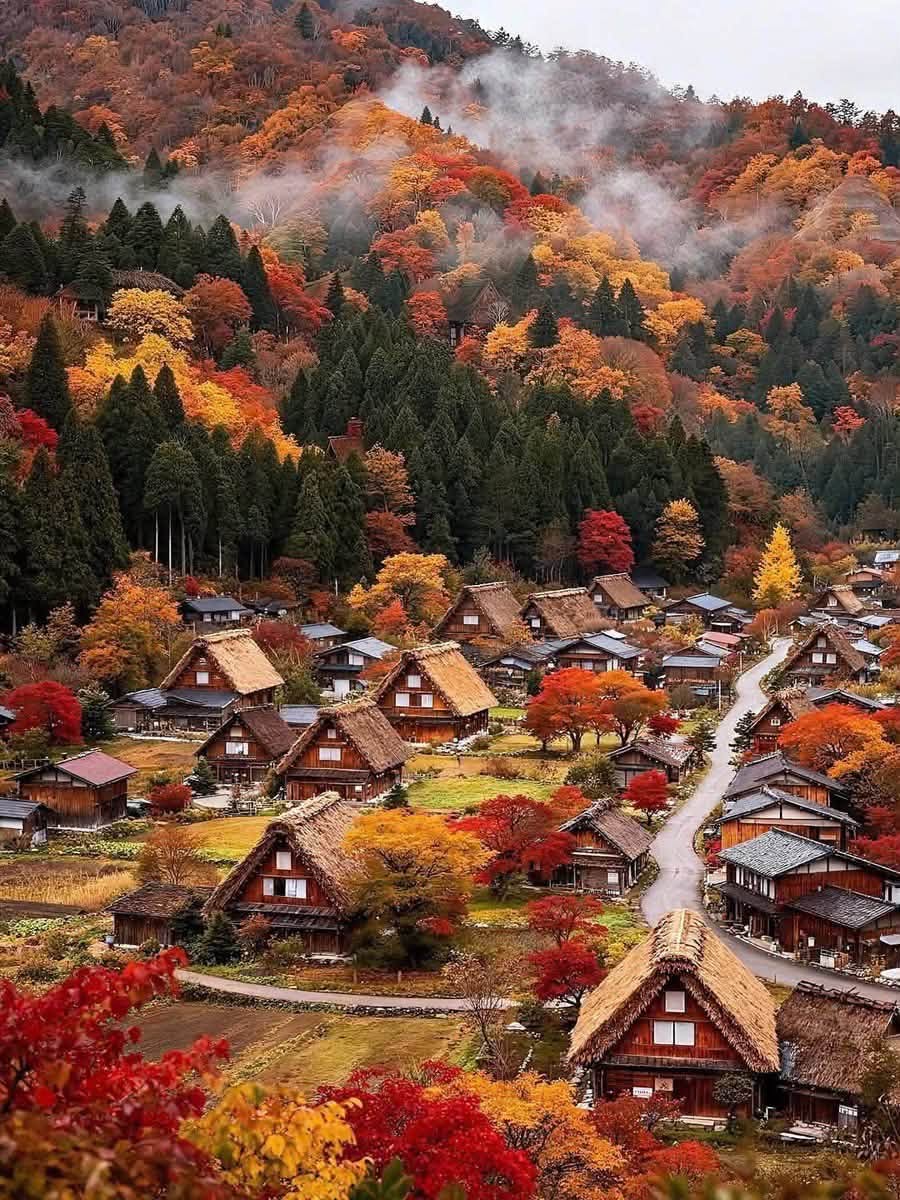
Shirakawa-go
Thatched farmhouses in a mountain bowl
For anyone who wants the postcard village properly, on foot and inside the houses, and is happy to spend a few hours on a comfortable highway bus.
- 1
Highway bus from Nagoya
Buses leave from the Meitetsu Bus Center next to Nagoya Station and take a little under three hours via the Tokai-Hokuriku Expressway. Book a reserved seat a few days ahead, especially in winter and at cherry-blossom time; take the earliest departure so you arrive in Ogimachi around 10:30. There is a rest stop with toilets partway.
2.5–3 HoursCost: ¥4,000–8,000 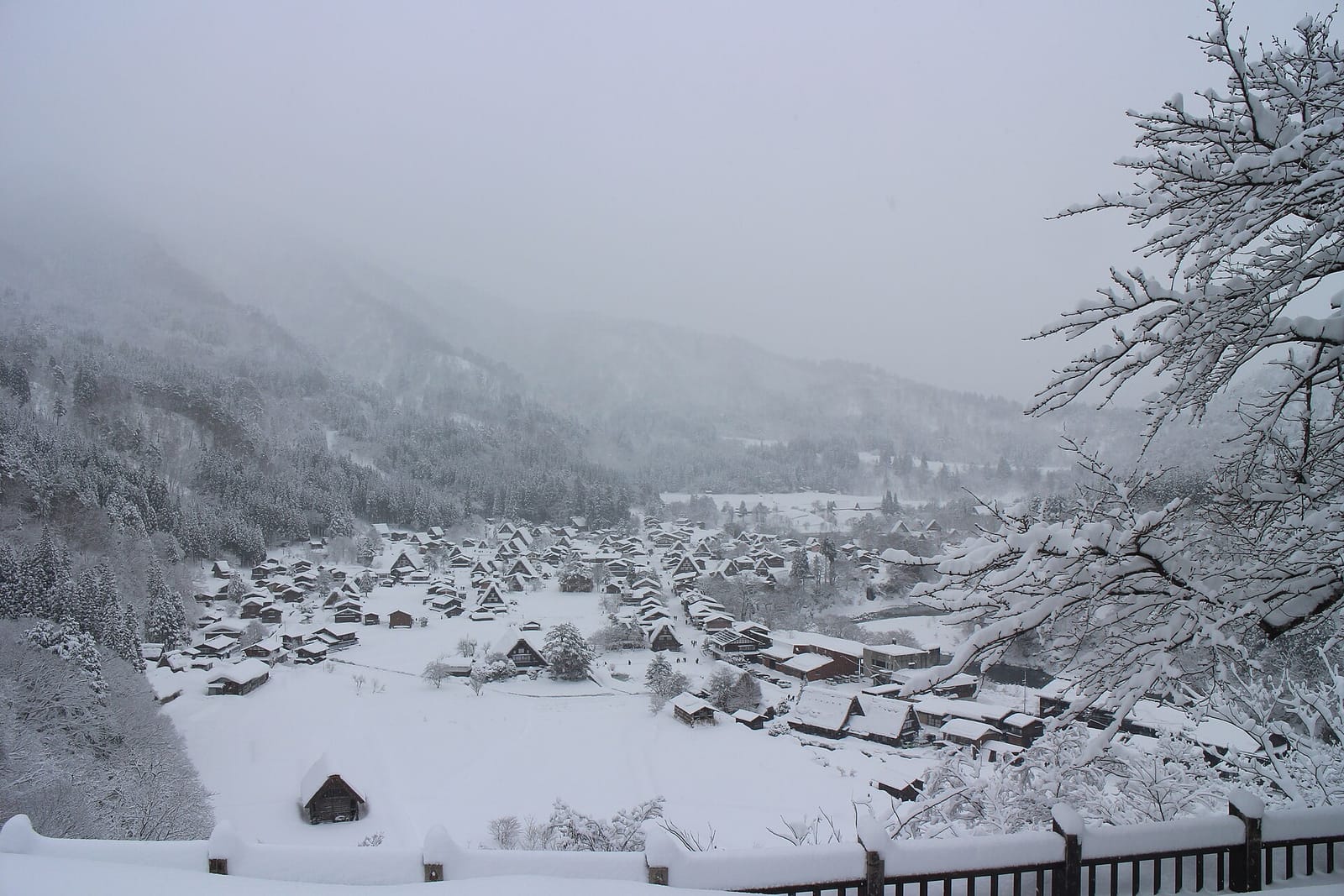 2
2Shiroyama viewpoint
From the bus terminal it is a 15-minute uphill walk, or a short shuttle ride, to the Shiroyama viewpoint, the spot every photo of the village is taken from. Go straight here while the light is still soft. The whole bowl of the valley is below you: fields, the river, and forty-odd steep thatched roofs facing the same way against the wind.
45 MinutesCost: Free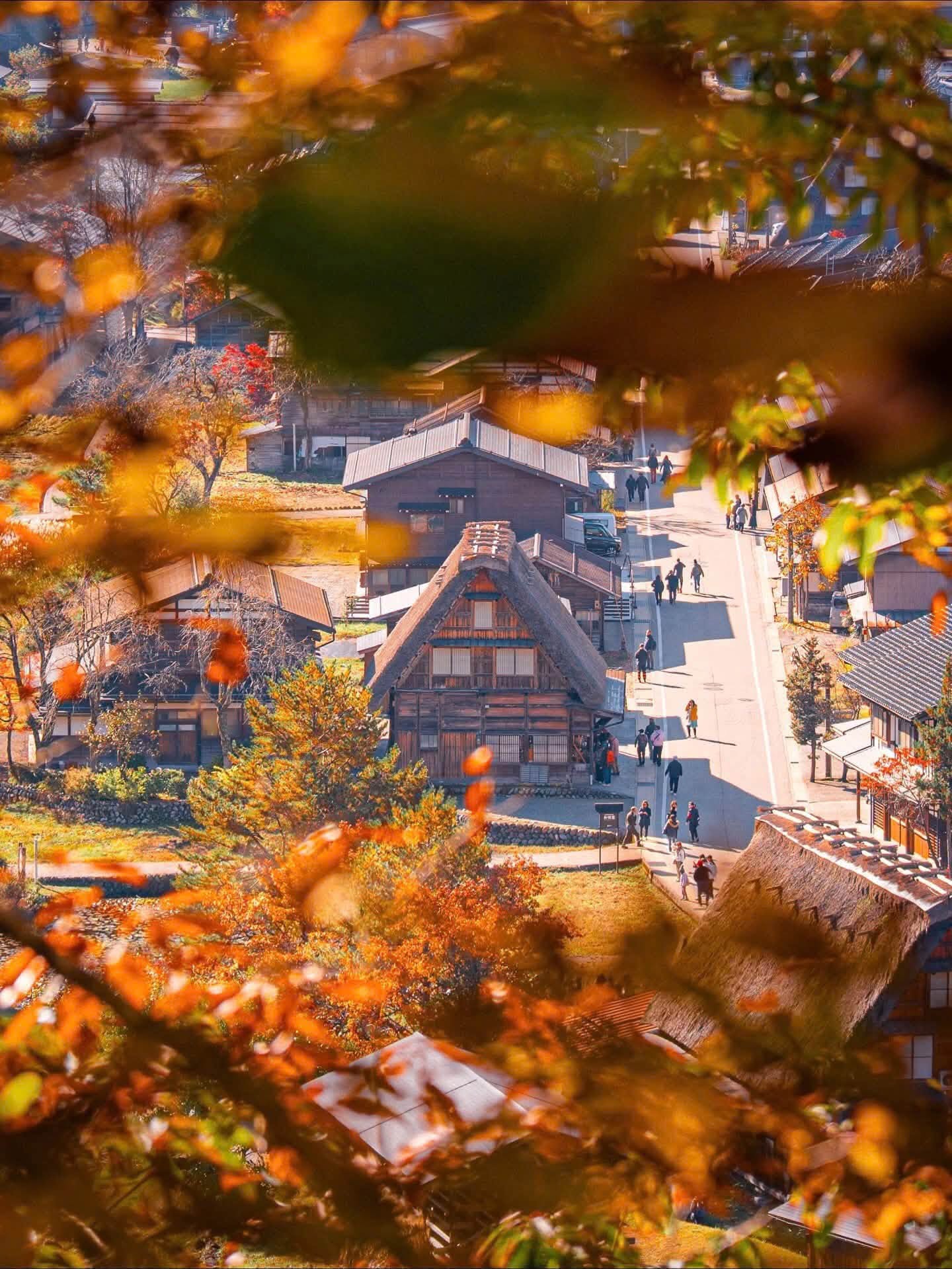 3
3Ogimachi village lanes
Walk back down and wander the lanes between the gassho-zukuri houses, whose praying-hands roofs are pitched to shed heavy snow. Many are still lived in, so keep to the paths and out of the gardens. Cross the Deai suspension bridge over the Sho River for the view back toward the village; in winter, the snow walls along the lanes can be head-high.
1.5–2 HoursCost: Free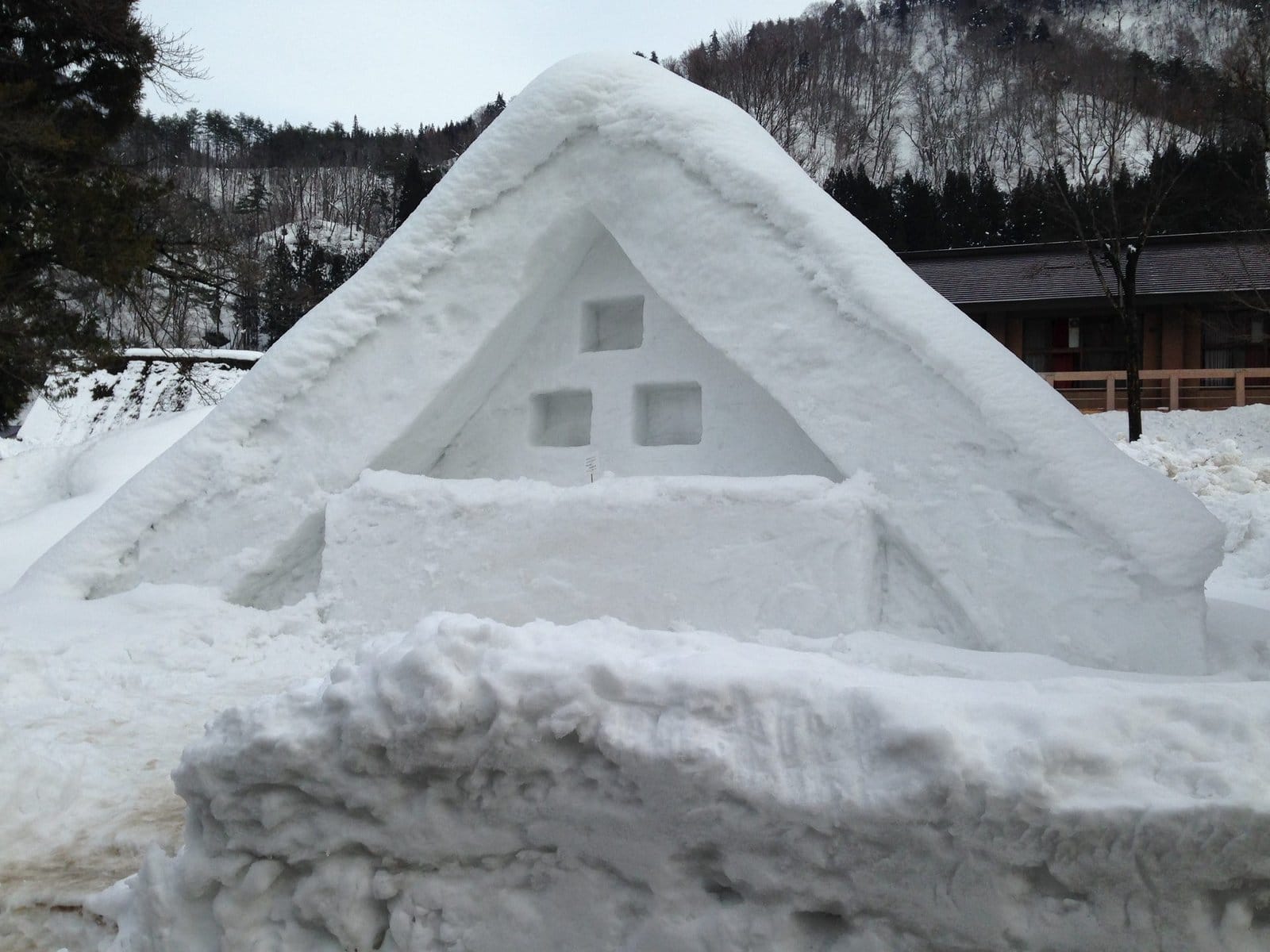 4
4Wada House
The largest farmhouse in the village, the Wada family home is open to visitors; take your shoes off and climb the steep ladders into the attic, where silkworms were once raised under the smoke-darkened rafters. It shows how the roof structure works without a single nail. Arrive around 13:30 to avoid the tour-bus surge.
45 MinutesCost: ¥300–600- 5
Lunch and the Gassho-zukuri open-air museum
Eat a set lunch of Hida beef or mountain vegetables with hoba miso, cooked on a magnolia leaf, in one of the farmhouse restaurants near the main street. Then cross the bridge to the open-air museum, where two dozen relocated gassho houses stand around a stream and craft demonstrations run in the afternoon. Be back at the terminal for a late-afternoon bus to Nagoya.
1.5 HoursCost: ¥1,500–3,000
Day 1 Estimated Cost
- Food¥2,000–3,500
- Transport¥8,000–14,000
- Admissions¥600–1,500
Tips
Reserve both bus legs in advance: the return buses fill up by mid-afternoon in high season, and there is no train alternative from the village.
Winter means snow underfoot from December to March: waterproof boots with grip, and gloves; the lanes are cleared but icy in the shade.
Try hoba miso and Hida beef skewers, and buy a bag of the local rice crackers for the bus; restaurants close early, so eat before 14:00.
The viewpoint first, before the crowds and while the light is soft; for a second angle, shoot the row of houses from the far bank of the river with the mountains behind.