
Ohara & Sanzen-in in One Day
An hour north of Kyoto by bus: the moss gardens of Sanzen-in, tea at Hosen-in, shiso pickles on the lane and the nunnery of Jakko-in across the valley.
Last updated 2026-09-03 · 1-day self-guided plan
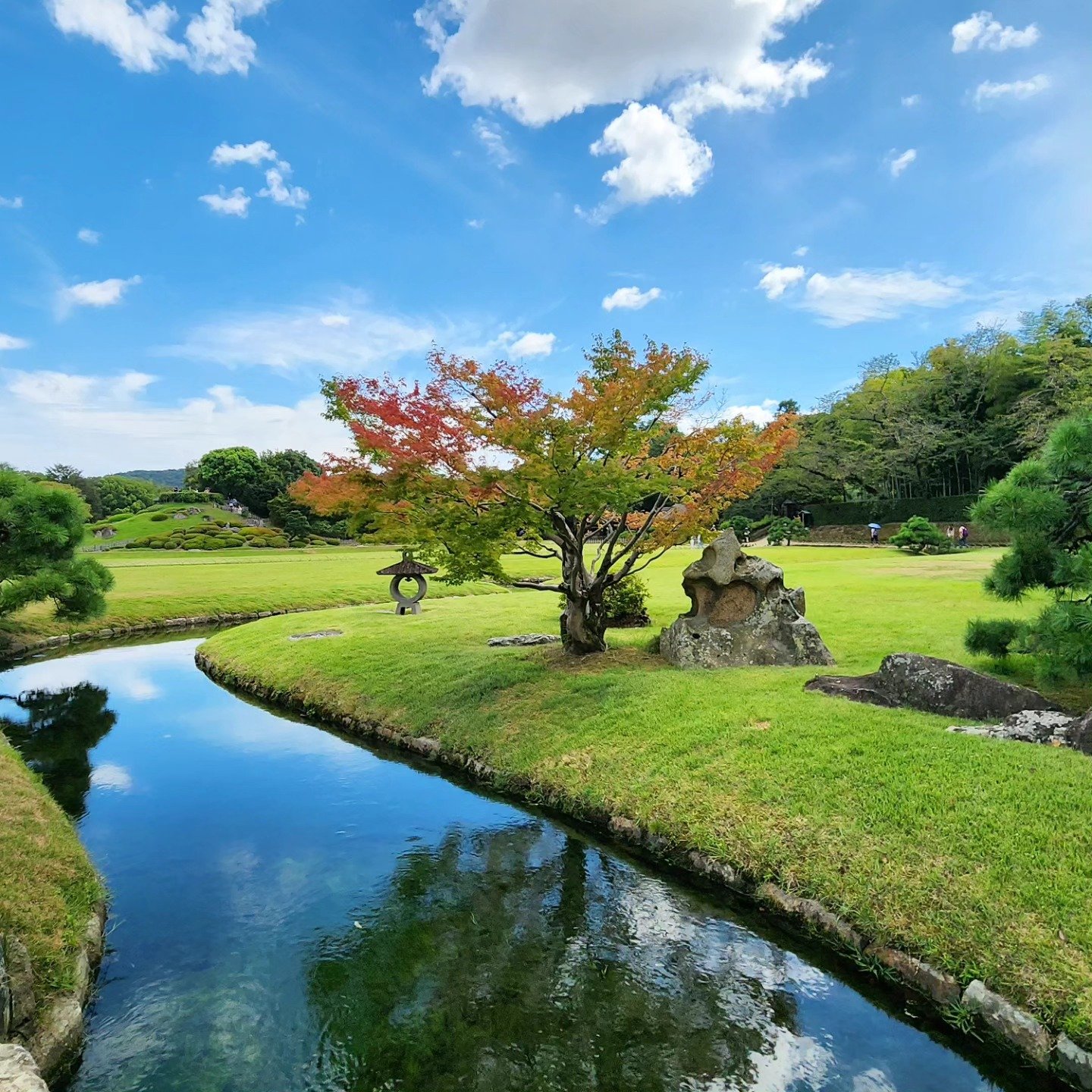
Ohara Valley
Moss, Jizo statues and a farming valley in the hills
For travellers who have done the central temples and want a full day of countryside quiet, with rice fields between the stops.
 1
1Sanzen-in
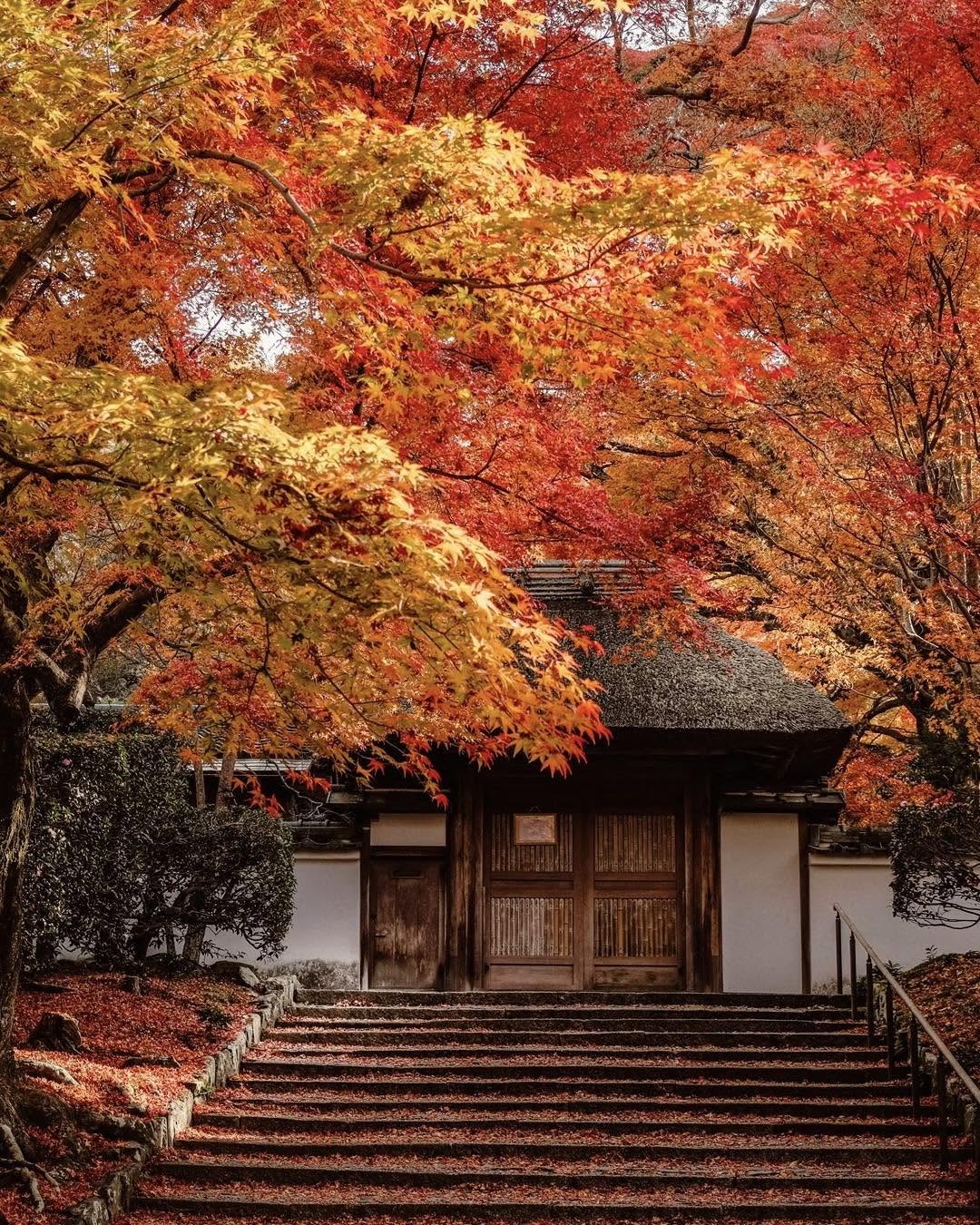
Kyoto Bus 17 leaves Kyoto Station every 20 to 30 minutes and takes about an hour to Ohara; catch one around 8:00 so you climb the approach lane before the shops open. Sanzen-in is the valley's main temple: the Shuhekien garden viewed from tatami, then the moss garden where small stone Jizo statues sit half-buried, and the thatched Ojo Gokuraku-in hall with its seated Amida.
1.5 HoursCost: ¥500–1,000- 2
Otonashi Falls
From the top of the lane a signposted path follows the stream 10 minutes uphill to Otonashi-no-taki, the 'soundless' waterfall, named for a monk whose chanting was said to blend with the water. It is a modest fall in a cedar gully, cool in summer, and almost nobody makes the walk. Return the same way.
30 MinutesCost: Free - 3
Hosen-in
Just below Sanzen-in, Hosen-in is a small temple whose admission includes matcha and a sweet, served while you look through the pillars at a 700-year-old pine framed like a painting. The ceiling boards are stained with the blood of samurai who died at Fushimi Castle. Next door, Jikko-in has a similar veranda garden and even fewer visitors.
45 MinutesCost: ¥500–1,000 - 4
Lunch on the approach lane
Ohara's lane is known for shibazuke, purple pickles of aubergine and red shiso grown in the valley; taste at the stalls, then sit down around 12:30 for a set lunch of yudofu or soba with mountain vegetables. Shiso is harvested in summer; in November the same lane hangs with persimmons drying under the eaves.
1 HourCost: ¥1,000–2,000 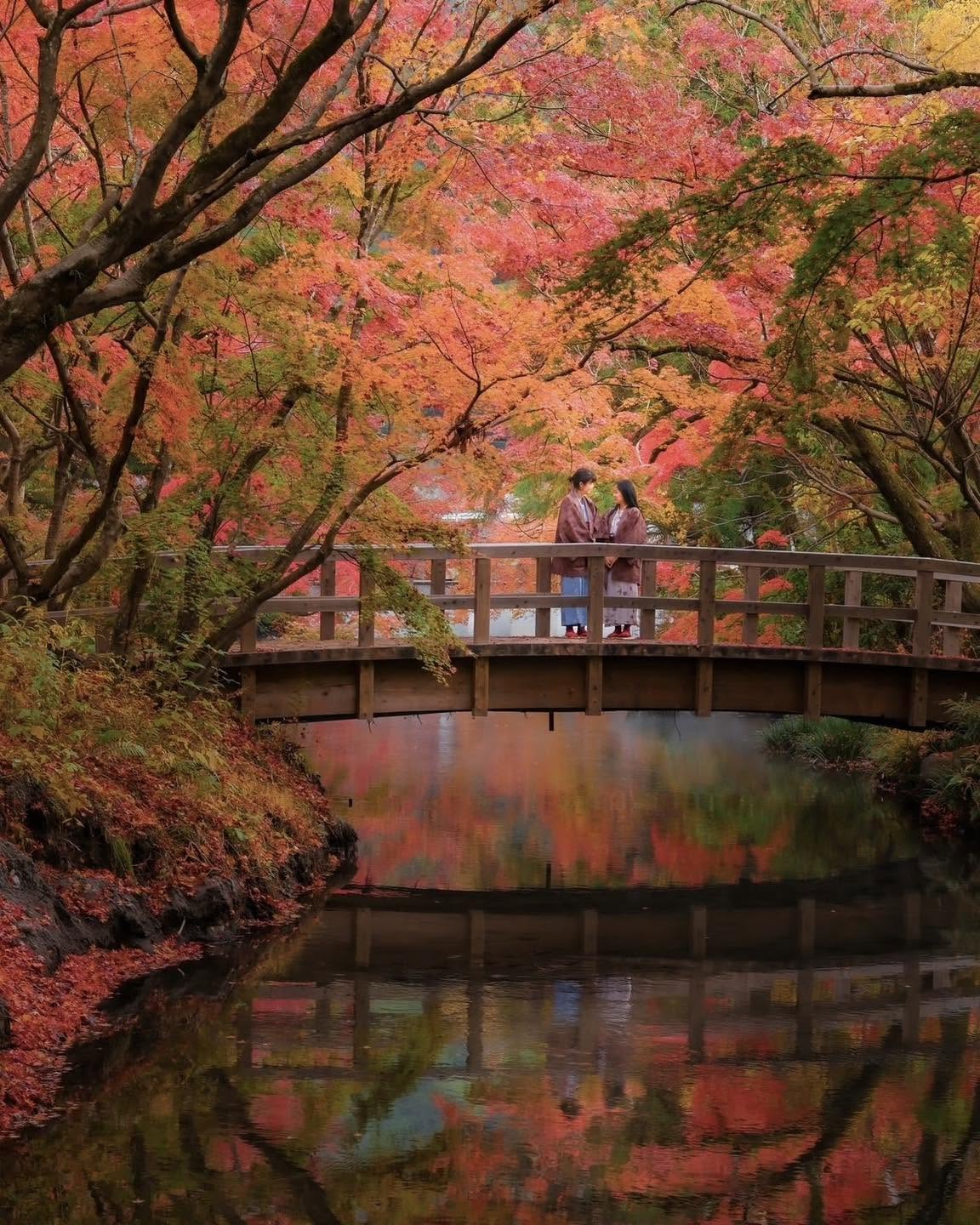 5
5Jakko-in
Cross the valley on foot, about 20 minutes through rice fields and past the bus stop, to Jakko-in on the western slope. This is the nunnery where Kenreimon-in, the last of the Taira, lived out her days after the sea battle of Dan-no-ura; the Tale of the Heike ends here. The main hall was rebuilt after a fire, but the pond garden and the steep stone stairs up to it are as quiet as ever. The bus back leaves from the main road.
1 HourCost: ¥500–1,000
Day 1 Estimated Cost
- Food¥2,000–3,500
- Transport¥1,000–1,500
- Admissions¥1,800–3,000
Tips
Bus 17 from Kyoto Station is the direct one, and it also stops at Demachiyanagi if you are on the Keihan line; the last buses back leave Ohara in the early evening, so do not linger past dusk.
The approach lane and the Jakko-in stairs are steep and slick after rain; wear shoes with grip, not sandals.
Buy shibazuke pickles on the way down, not up, and ask for a taste first; the paler batches are less salty.
The Jizo statues in Sanzen-in's moss are best after rain, when the moss goes deep green; the November maples pull the crowds, so come on a weekday.