
Ise Jingu in One Day
The Outer and Inner Shrines in the traditional order, akafuku mochi and Ise udon in Okage Yokocho, then the wedded rocks of Meoto Iwa on the coast.
Last updated 2026-09-03 · 1-day self-guided plan

Ise Jingu
Japan's holiest shrine, done in the right order, then the sea
For travellers who want the pilgrim's route through Ise without rushing, and a coastal finish, reached by Kintetsu from Nagoya, Kyoto or Osaka.
- 1
Geku, the Outer Shrine
Kintetsu limited expresses reach Ise-shi station from Nagoya in about 1.5 hours; Geku is a 10-minute walk straight down the avenue from the station. Custom says Outer first, Inner second, so arrive around 9:00. The shrine to the goddess of food and industry stands in a grove of ancient trees, its plain cypress halls rebuilt every twenty years on the empty plot beside them. Bow at the fence; the inner precincts are never opened.
1 HourCost: Free - 2
Sarutahiko Shrine
Buses toward Naiku leave from outside Geku every few minutes; get off at Sarutahiko Jinja, roughly halfway, about 10 minutes on. This shrine to the god of guidance and new beginnings is where people pray before a move or a new job, and the octagonal stone post in the courtyard is worn smooth by hands. Its smaller companion shrine draws performers and dancers. Rejoin the bus for the last stretch to Naiku.
30 MinutesCost: Free 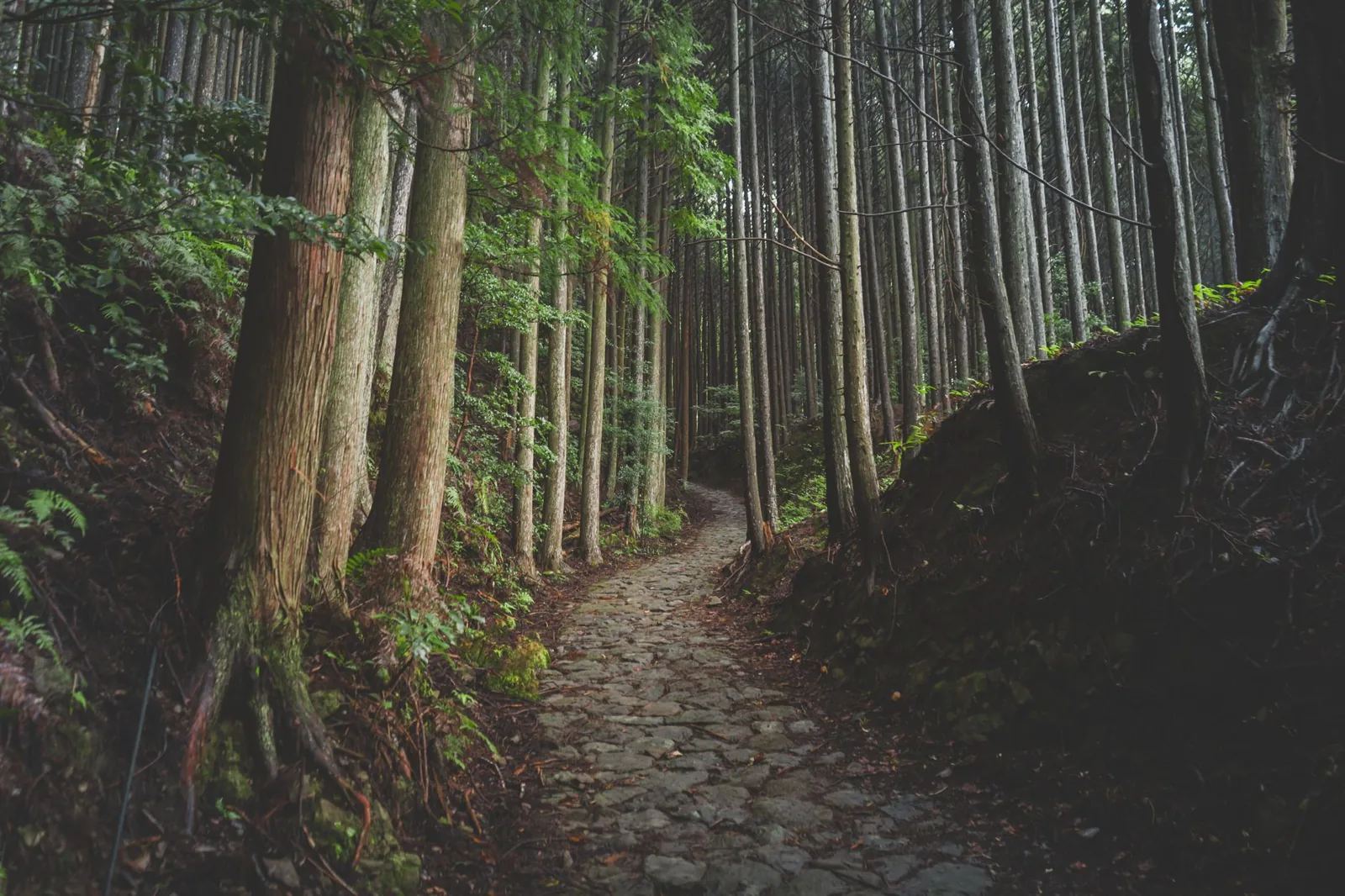 3
3Naiku, the Inner Shrine
Cross the Uji Bridge over the Isuzu River around 11:00 and you are in the shrine of Amaterasu, the sun goddess and ancestor of the imperial line, the most sacred place in Shinto. Wash your hands in the river itself at the stone bank, then follow the wide gravel path under enormous cedars and camphors to the main sanctuary steps. Photographs stop at the foot of the stairs; the walk through the forest is the point.
1.5 HoursCost: Free 4
4Okage Yokocho and Oharai-machi
Straight outside Naiku is Oharai-machi, an 800-metre street of dark wooden storefronts built in the old Ise style, and Okage Yokocho, the square of shops and stalls at its heart. Lunch is Ise udon, soft thick noodles in a dark sweet sauce, or tekone-zushi, marinated bonito over rice. Then queue at the akafuku shop, the two-century-old maker of red bean mochi, and eat it on the bench by the river with a cup of hot tea.
1.5 HoursCost: ¥1,500–3,000- 5
Meoto Iwa at Futami
Take the bus or a taxi back to Ise-shi and a JR local train two stops to Futaminoura, about 10 minutes, then walk 15 minutes through the old seaside inn town to Futami Okitama Shrine. The two wedded rocks stand in the surf joined by a heavy straw rope, replaced in ceremonies several times a year; frog statues line the path. In midsummer the sun rises between the rocks; on an afternoon visit, the light is behind you and the sea is the colour of slate.
1 HourCost: Free
Day 1 Estimated Cost
- Food¥2,500–4,500
- Trains & buses¥4,000–7,000
- AdmissionsFree
Tips
Kintetsu's Ise-Shima passes cover the express train, the Geku-Naiku buses and Futami; JR passes reach Ise too, but the Kintetsu trains are faster and more frequent.
Naiku's path is deep gravel for over a kilometre; flat, closed shoes, and expect to walk eight kilometres over the day.
Akafuku sells out on busy days; the shop by the river opens early, so buy a box first and eat lunch after.
The Uji Bridge shot is best around 11:00 with the sun on the cedars; the rocks at Futami want a wide lens and a low tide.