
Noboribetsu Hell Valley in One Day
Steaming Jigokudani, a hot-river foot bath at Oyunuma, the clear caldera Lake Kuttara and a day-use soak in Hokkaido's best-known onsen town, an easy trip from
Last updated 2026-09-03 · 1-day self-guided plan
Noboribetsu
Sulphur, steam and a soak before the train home
For a day trip from Sapporo or Hakodate that trades city streets for volcanic scenery and ends in very hot water.
- 1
Jigokudani, Hell Valley
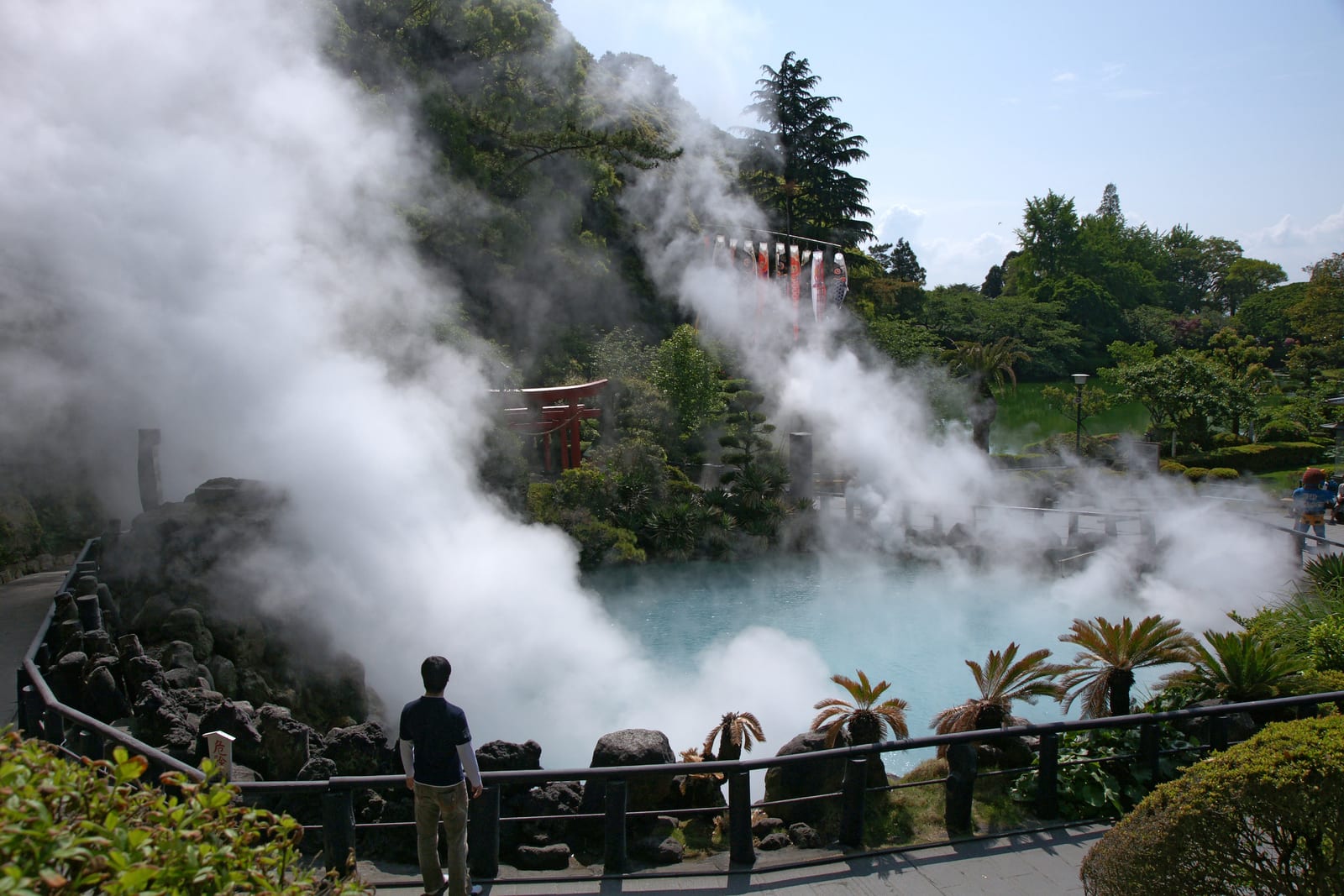
A limited express from Sapporo takes about 70 minutes to Noboribetsu station, then a local bus climbs 15 minutes to the onsen town. Walk up the main street past the demon statues to the boardwalk into Jigokudani around 10:00, a bowl of grey clay and yellow sulphur crust that hisses and steams from a dozen vents. Stay on the wooden path; the ground beside it is hot.
1 HourCost: Free - 2
Oyunuma pond and the hot-river foot bath
From the top of Jigokudani, a forest trail leads twenty minutes uphill to Oyunuma, a steaming grey pond with a surface temperature you would not want to test. Follow the outflow stream down through the woods to the natural foot bath, where the river runs warm over smooth stones; wooden benches line the bank and a towel is the only kit you need.
1 HourCost: Free - 3
Lunch on Gokuraku-dori
Back in the town by 12:30, the short main street has ramen, seafood rice bowls and a shop making hot-spring steamed buns. Enma-do, the small hall of the demon king near the top of the street, puts on a short mechanical show a few times a day that is worth catching if the timing works.
45 MinutesCost: ¥1,000–2,000  4
4Lake Kuttara
Lake Kuttara sits in a forested crater just east of the town, one of the clearest lakes in Japan and often mirror-still. There is no regular bus; a taxi from the onsen street takes about 15 minutes each way and the drivers know the lookout. Rowing boats can be hired at the shore in summer. The road is closed by snow through winter, so this stop is a warm-season one.
1 HourCost: ¥2,000–3,000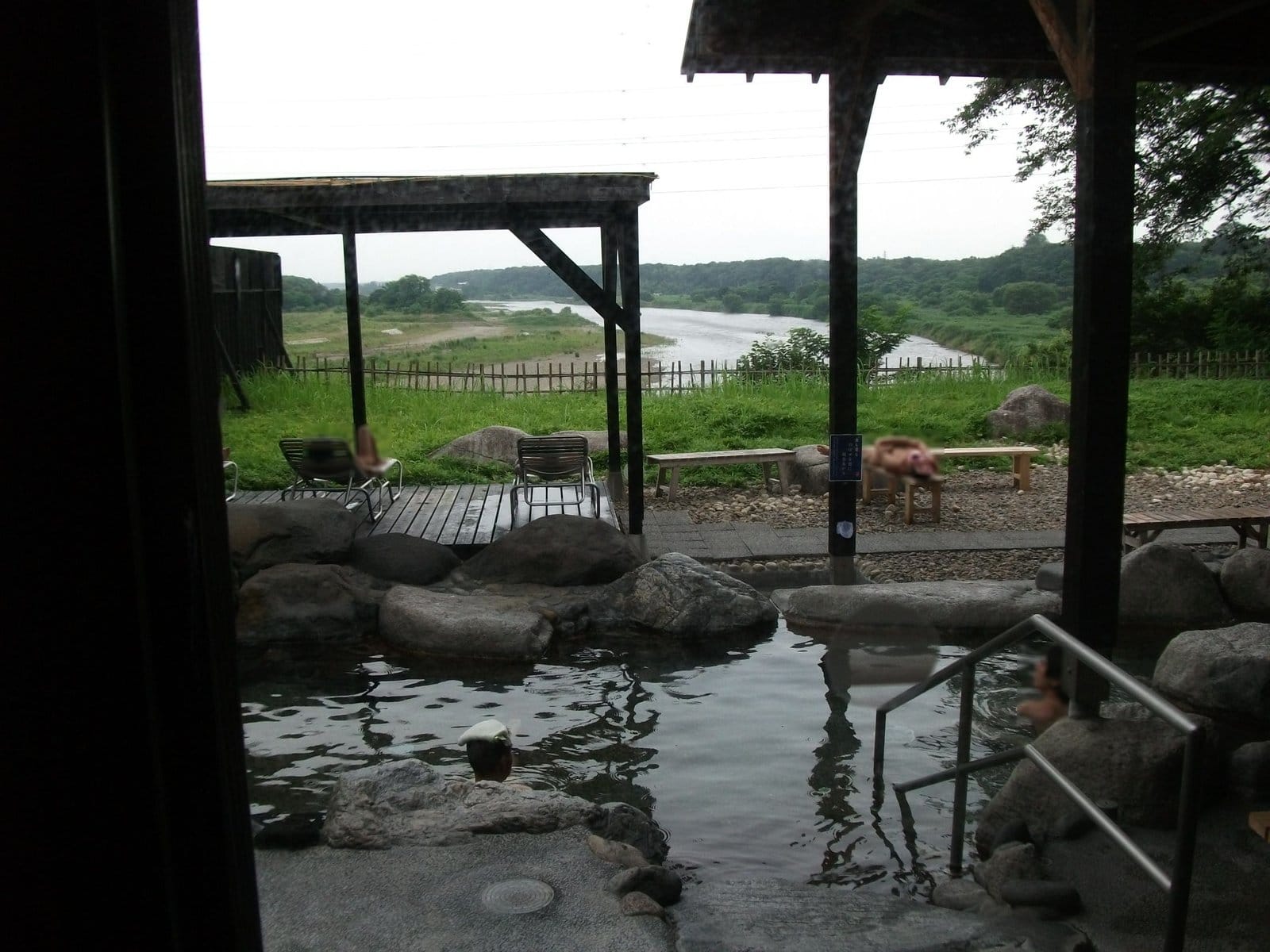 5
5Day bath at a grand onsen hotel
Back in town around 15:00, the big hotels open their baths to day visitors in the afternoon; Dai-ichi Takimotokan is the largest, with dozens of pools drawing on several different spring types, including a milky sulphur bath and an outdoor pool facing the valley. Buses back to the station run into the evening, so linger until the sulphur has soaked in.
1.5 HoursCost: ¥2,000–3,000
Day 1 Estimated Cost
- Food¥2,000–3,500
- Transport (train, bus, taxi)¥6,000–9,000
- Baths¥2,000–3,000
Tips
Sit on the left side of the train from Sapporo; the line hugs the coast past Tomakomai and the sea views are on that side.
The Oyunuma trail is a real forest path with steps; wear shoes you can undo quickly for the foot bath and keep socks in a pocket.
Eat before the bath, not after; the day-use hotel restaurants are pricier than the street and most street kitchens close by mid-afternoon.
Jigokudani steams most in cold air: on a chilly morning the vents are dramatic, on a hot July afternoon they almost disappear.