
Kusatsu Onsen in One Day
Steam over the Yubatake, a yumomi water-stirring show, mountain soba, an open-air bath in the rocks, and the hot-spring town lit up after dark.
Last updated 2026-09-03 · 1-day self-guided plan
Kusatsu Onsen
Sulphur steam, wooden paddles and rock pools
For anyone who wants the most famous hot-spring town in Japan done properly in a day, with baths before and after lunch and no rush.
 1
1Yubatake, the hot-water field
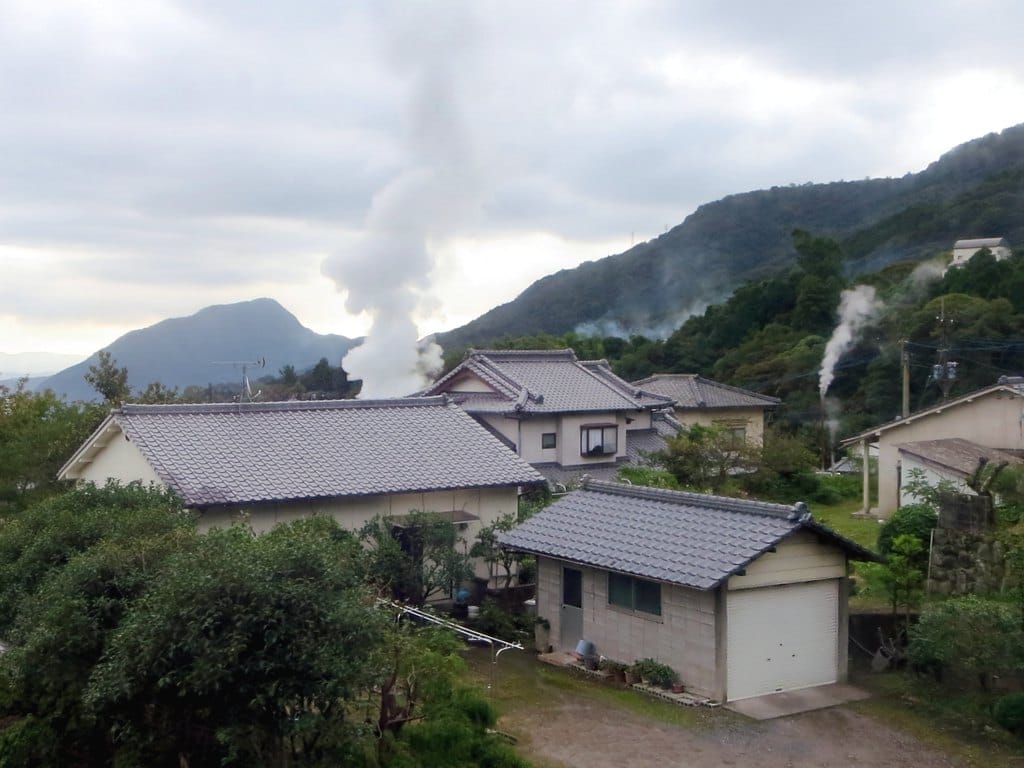
From Tokyo, the JR limited express runs to Naganohara-Kusatsuguchi in about two and a half hours, then a 25-minute bus climbs to the town; a direct highway bus from Shinjuku takes around four hours. Arrive by 11:00 and walk straight to the Yubatake, the wooden channels in the centre of town where thousands of litres of sulphurous water a minute cool on their way to the baths. Steam, yellow deposits and the smell tell you where you are.
45 MinutesCost: Free- 2
Yumomi show at Netsu-no-yu
Facing the Yubatake, the Netsu-no-yu hall stages yumomi several times a day: women in indigo beat and stir the near-boiling water with long wooden paddles while singing, the traditional way of cooling it without diluting the minerals. Shows fill up, so buy a ticket at the door as soon as you arrive in town; audience members can try the paddles at the end.
45 MinutesCost: ¥500–1,000 - 3
Lunch on Nishi-no-kawara street
Head up the lane of shops and eateries toward the park for lunch around 13:00. Hand-cut soba with maitake mushroom tempura is the Kusatsu order; the mushrooms grow in the surrounding forests. Onsen manju steamed buns are handed out free as samples along this street, and there are onsen-tamago eggs cooked in the spring water.
1 HourCost: ¥1,000–2,000 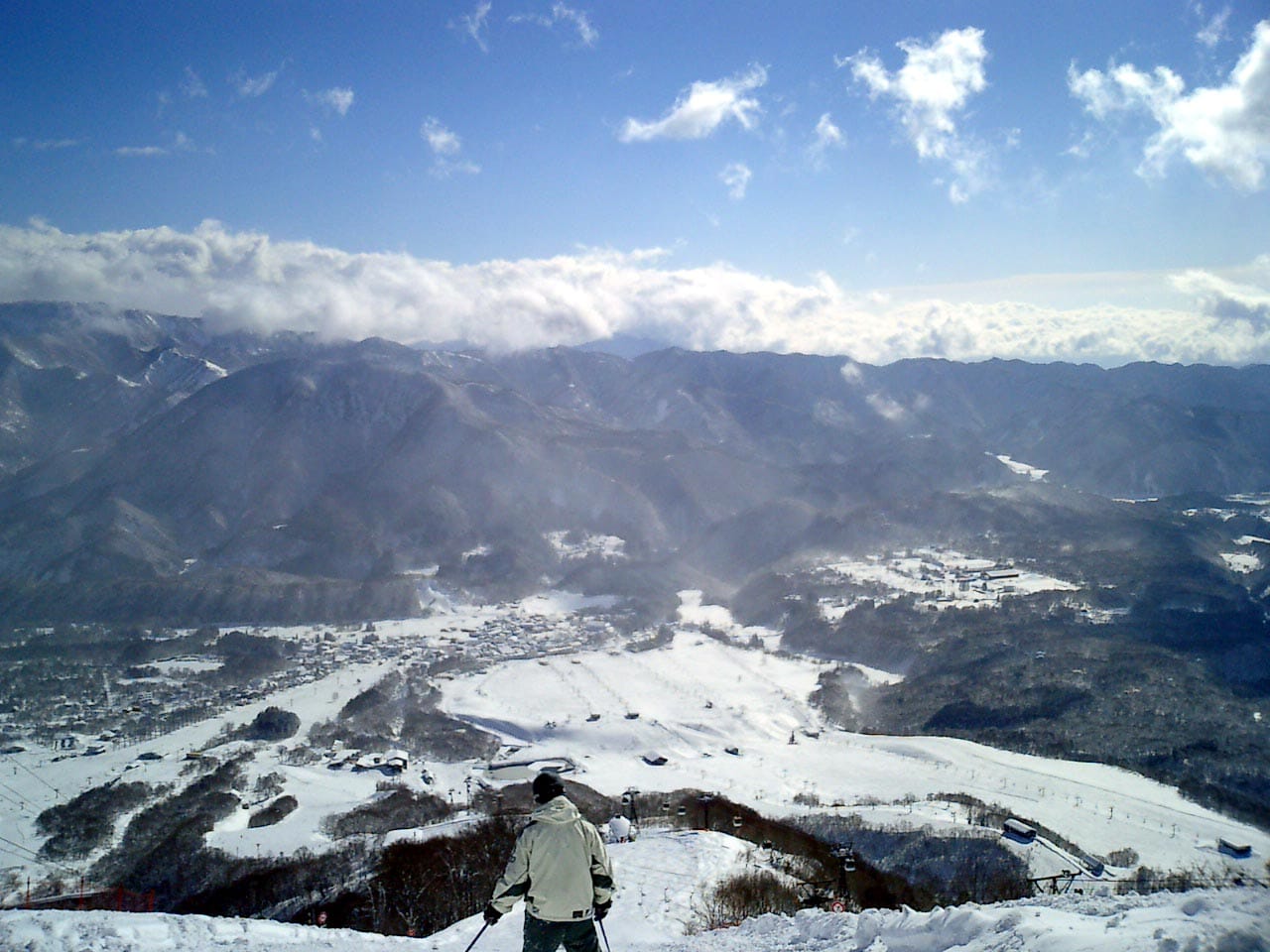 4
4Sainokawara open-air bath
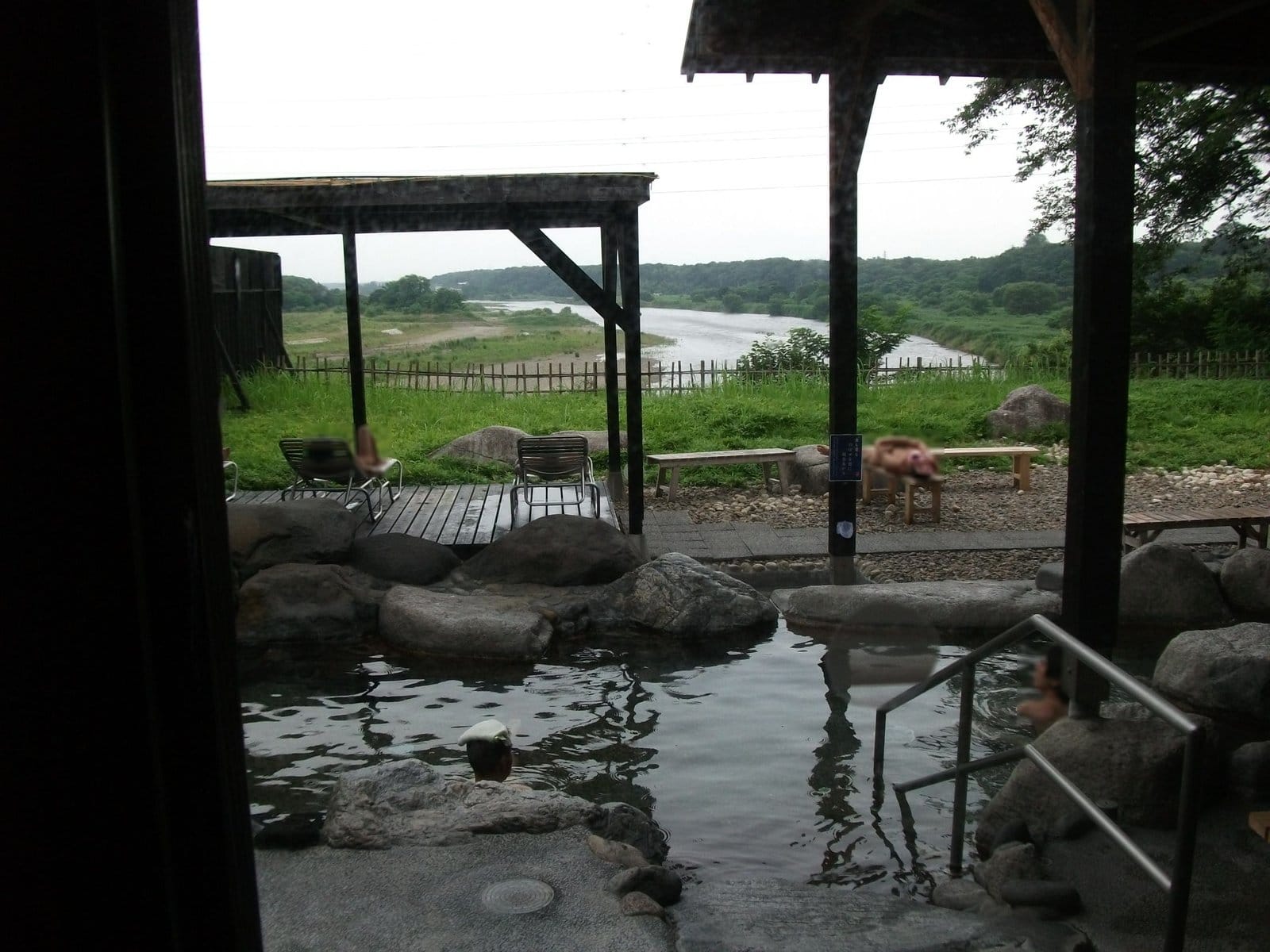
At the end of the street, Sainokawara Park is a rocky valley where hot water pours out of the ground in pools and streams; walk it first, then enter the huge Sainokawara Rotenburo at the top. It is an outdoor bath the size of a swimming pool, separated by gender, with forest and the slopes of Mt Shirane around it. In winter you bathe in falling snow; ski runs sit just above town.
1.5–2 HoursCost: ¥500–1,000- 5
Yubatake after dark
Wander back down as the lanterns come on; the Yubatake is lit at night and the steam glows green and gold. Gozanoyu beside it is a wooden public bathhouse with two water sources you can compare, and there is a resting room upstairs. If you are staying over, sample one of the free neighbourhood baths dotted around town; if not, the last bus down leaves in the early evening.
1 HourCost: ¥500–1,500
Day 1 Estimated Cost
- Food¥2,500–4,500
- Transport (from Tokyo, return)¥7,000–13,000
- Baths & show¥1,500–3,000
Tips
The Shinjuku highway bus is cheapest and needs no change; the limited express plus bus is faster, and both need reserved seats on weekends and in autumn.
Kusatsu is at 1,200 metres and the streets are steep and often wet: pack a warm layer even in summer and shoes that slip on and off for the baths.
Try the onsen manju samples but buy from one shop, then eat soba before 14:00, when the small places close between lunch and dinner.
Steam is thickest in the cold, early or after dark: shoot the Yubatake from the bridge at the top just after sunset, and keep your lens away from the sulphur spray.