跳至正文
OlaChillOlaChill

🌐 本文尚未翻译为您的语言。显示English原文。

查看原文 →
Free Days Between Hospital Appointments in Japan: Gentle Ideas
Medical TravelFree DaysOnsenHakone

Free Days Between Hospital Appointments in Japan: Gentle Ideas

What to do with the two to five days between a check-up and the results, or between treatment visits: low-effort plans near Tokyo and Osaka, an onsen night done carefully, a helicopter flight for the companions, golf within an hour, and the one rule that comes first: ask your doctor.

2026年9月6日·✍️ olablog·5 分钟阅读

分享:FacebookXLINE
返回博客
快速回答

What to do with the two to five days between a check-up and the results, or between treatment visits: low-effort plans near Tokyo and Osaka, an onsen night done carefully, a helicopter flight for the companions, golf within an hour, and the one rule that comes first: ask your doctor.

Almost every medical trip to Japan has empty days built into it. The check-up is on Tuesday and the results are on Friday. The first treatment visit is this week and the second is in three weeks. The dentist needs ten days for the lab. Those days are the reason many guests remember the trip as a holiday with a hospital in it, rather than the other way round. This article is about using them well, at the energy level you actually have.

The rule that comes before every idea below

Ask your doctor before you travel far, bathe in hot water, play sport or eat something unusual. After a blood test and a routine check-up many guests go straight out. After a sedated endoscopy, an injection, a cosmetic procedure or anything with anaesthesia, the facility usually asks you to rest, and sometimes to avoid heat, alcohol or exertion for a set number of days. We do not answer that question in the doctor's place. Ask before you leave the facility; companion staff will interpret the answer, and we plan the free days around it.

Day-after ideas: within the city, low effort

The day after an appointment is best kept simple. A car with a driver picks you up at the hotel, waits at each stop, and takes you back when you have had enough. In Tokyo that could be a large garden, a museum with benches, a department store food hall for lunch, and a quiet cafe. In Osaka, the castle park in the morning and a covered shopping street in the afternoon. No trains, no walking between stations, no fixed end time.

If the appointment involved dental work or a procedure on the face, a day like this also means nobody is looking at you on a crowded platform.

Two to three free days: one night out of the city

With two or three days and the doctor's agreement, one night away is the classic choice.

From Tokyo: Hakone. About two hours by car. A ryokan with a private bath in the room lets you skip the shared bath entirely, dinner is served in the room, and the view of the lake or the mountains does not require walking anywhere. The next day, the car brings you back in time for the hotel and the following appointment.

From Tokyo: Kamakura or Nikko as a day trip. Kamakura is an hour by car, flat, with temples and the sea; Nikko is two hours and hillier, better for a guest who is fully mobile.

From Osaka: Kyoto and Nara. Kyoto is within an hour and a half by car and can be done as a gentle day, choosing two or three sites with easy access rather than ten. Nara's park is flat and the deer are the point. Arima, north of Kobe, is the closest onsen town for a night away.

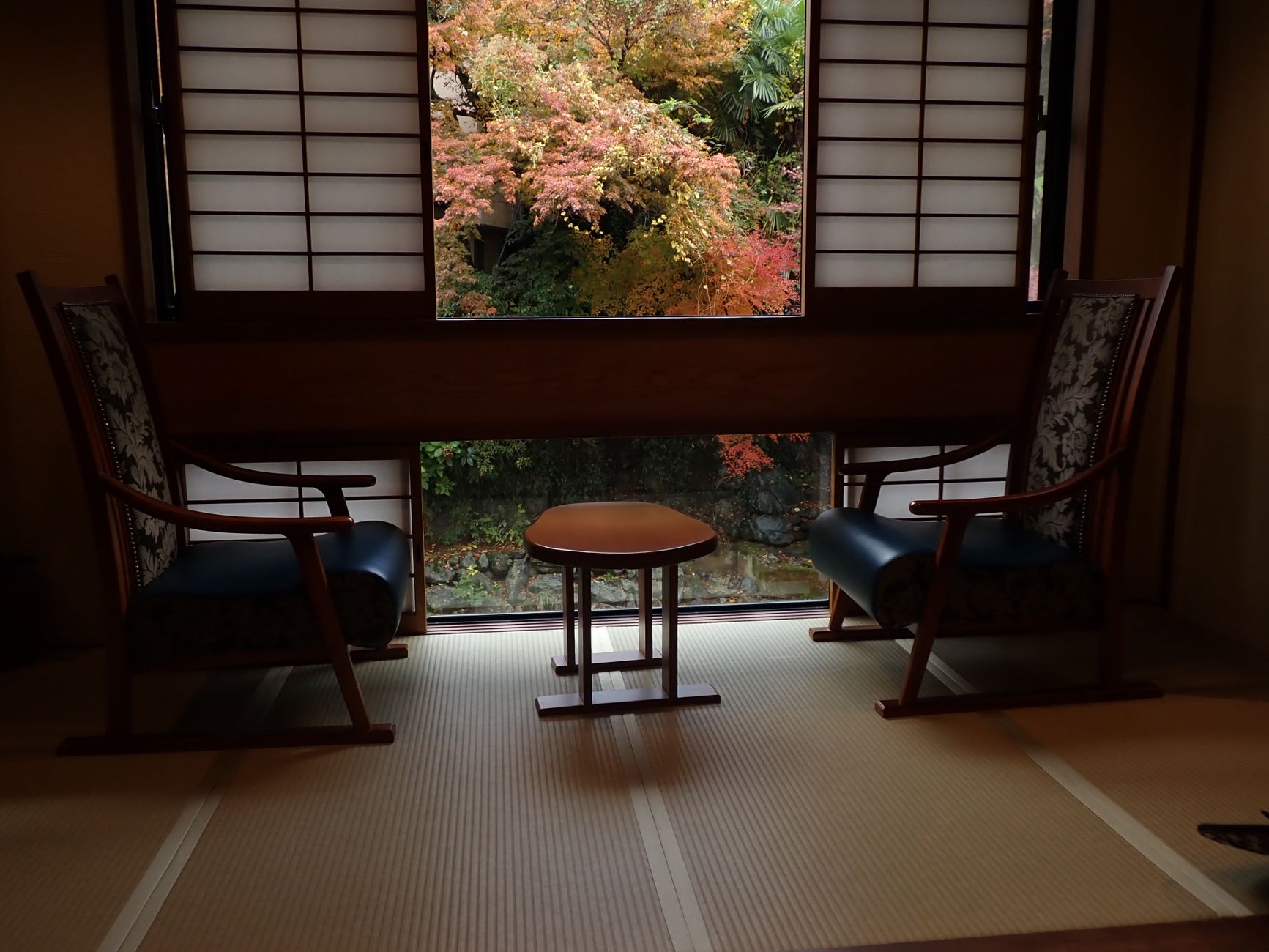
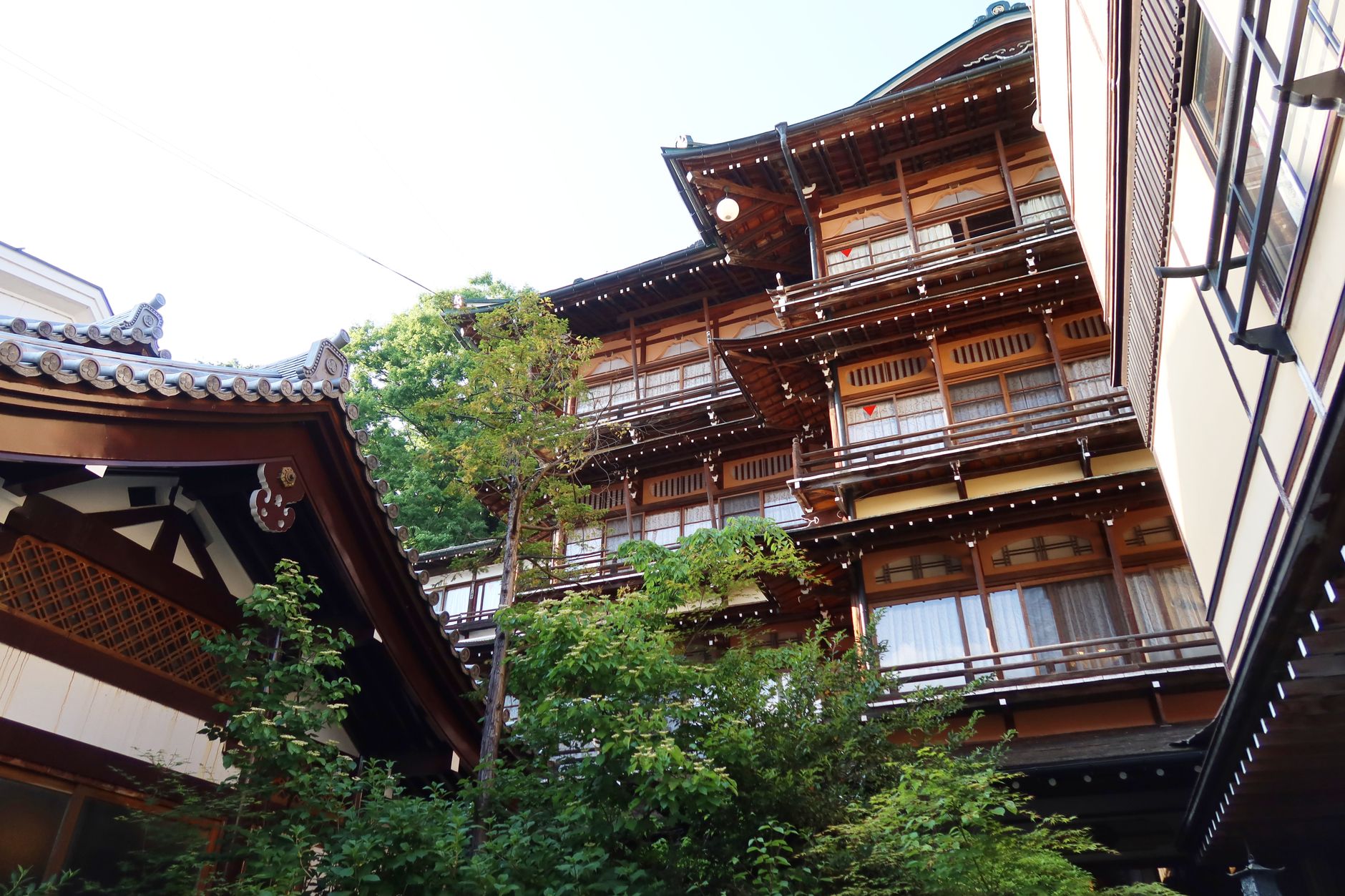
A tatami ryokan room with a window onto autumn leaves

Onsen, done carefully

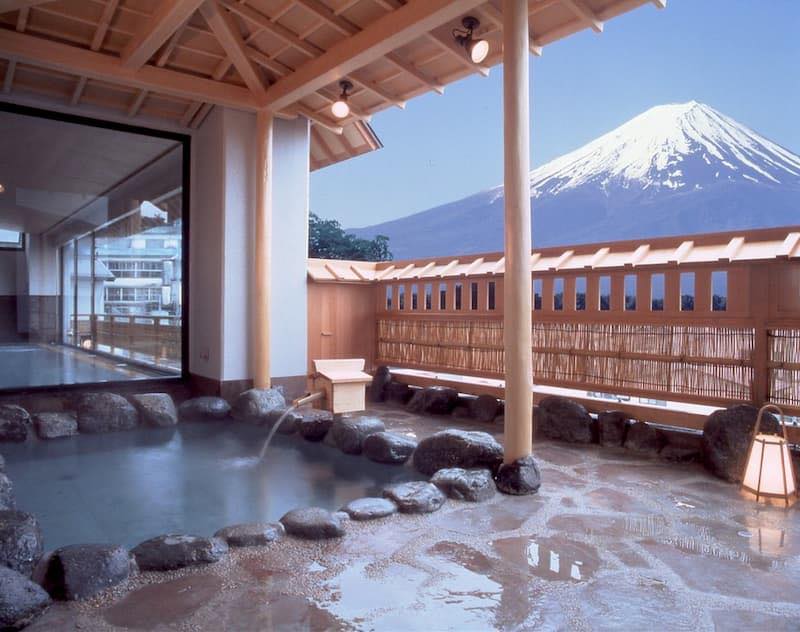
Hot springs are the most requested free-day plan and the one with the most caveats. Heat, dehydration and sudden changes of blood pressure are real, which is why the question goes to your doctor first. If the answer is yes, the way to make it easy is a room with a private bath: no shared bath etiquette, no tattoo rules, no timing around other guests, and you can get out after five minutes without a walk back through a corridor. Most onsen ryokan within two hours of Tokyo and Osaka have such rooms, and we book them by default for medical guests.

For the companions: the helicopter over Tokyo

The people travelling with you are healthy and often bored. A short helicopter flight over Tokyo, 10 to 30 minutes over the tower, the Skytree and the bay, is something they will talk about for years, and it takes an afternoon including the car to the heliport and back. It is booked through our helicopter section, priced there, and slotted into a day when you are resting or at the facility.

Golf within an hour

For a guest whose doctor has no objection, or for the companion, a round of golf within an hour of Tokyo or Osaka fills a free day completely and pleasantly. Tee time, car, club rental and a caddie are arranged through our golf section. We plan it for a day with no appointment on either side, so nobody is rushing.

Longer gaps: the two-stay pattern

When the gap between visits is two or three weeks, some guests fly home and return; others stay and travel. If you stay, the free time is long enough for Kyoto properly, for Kanazawa or Takayama, or simply for living in a serviced apartment and getting to know a neighbourhood. If you fly home, we hold the same hotel and driver for the return, so the second stay feels familiar from the first minute.

A rhythm that works on long stays

Mornings for the hospital when there is one, afternoons for a short outing or rest, one full day out each week, and one evening that is only about dinner. Companion staff can join the outings if language is the barrier, or you can go with the driver alone.

Two things we do not do

We do not decide what your body is ready for. We do not book anything that the facility told you to avoid, if you tell us what they said. Everything else, from the car at the hotel door to the room with the private bath, is ours to arrange.

Start with the purpose and dates on the medical travel page, and mention how many free days you expect; the plan comes back with ideas already in it.

分享:FacebookXLINE

评论

暂无评价,来做第一个吧!

本地区文章其他

查看全部