跳至正文
OlaChillOlaChill

🌐 本文尚未翻译为您的语言。显示English原文。

查看原文 →
Uji – Japan’s Matcha Mecca Just 20 Minutes by Train from Kyoto
matchaujiKyoto

Uji – Japan’s Matcha Mecca Just 20 Minutes by Train from Kyoto

Discover Uji, the birthplace of Japanese matcha: lush green tea hills, Byodoin Temple, century-old tea shops, and must-try matcha treats to enjoy on the spot.

2026年8月8日·✍️ olablog·5 分钟阅读

分享:FacebookXLINE
返回博客
快速回答

Discover Uji, the birthplace of Japanese matcha: lush green tea hills, Byodoin Temple, century-old tea shops, and must-try matcha treats to enjoy on the spot.

📍 当前地区: 京都・奈良・关西
北海道东北关东中部中部关西关西中国地方四国九州北海道东北关东中部关西中国地方四国九州Okinawa冲绳

点按地区浏览相关文章

If you’ve ever wondered why Japanese matcha has such a vivid jade-green color and deep umami flavor, the answer lies in a small town called Uji, nestled between Kyoto and Nara. For more than 800 years, the tea hills here have supplied leaves to aristocrats, Zen monks, and some of the most renowned tea masters in Japanese history. Today, Uji still moves at the unhurried pace of a traditional tea town: the scent of roasting tea leaves drifts through the streets, family-run tea shops have been passed down for more than ten generations, and the Uji River flows gently through it all like a mirror reflecting a thousand years of history.

Why Uji is considered the holy ground of matcha

Uji Byodoin temple

Uji has all three conditions that this "fussy" plant demands: early-morning river mist, well-drained hillside soil, and a marked difference between daytime and nighttime temperatures. But what truly established Uji’s reputation was the shading technique known as ooishita, developed here in the 16th century. About three weeks before harvesting, growers cover the tea plants with nets or straw, encouraging them to produce more chlorophyll and L-theanine. The result is darker green leaves with a gentle sweetness and less astringency—the ideal raw material for grinding into tencha and then matcha.

Walk along Byodoin Omotesando, a street less than one kilometer long, and you’ll pass a dozen tea shops with weathered wooden signs. Many families still grind their matcha slowly with granite mills—each mill produces only about 40 grams of powder per hour, which gives you a sense of why premium matcha is so valuable.

Byodoin – the temple on the 10-yen coin

Uji Byodoin temple

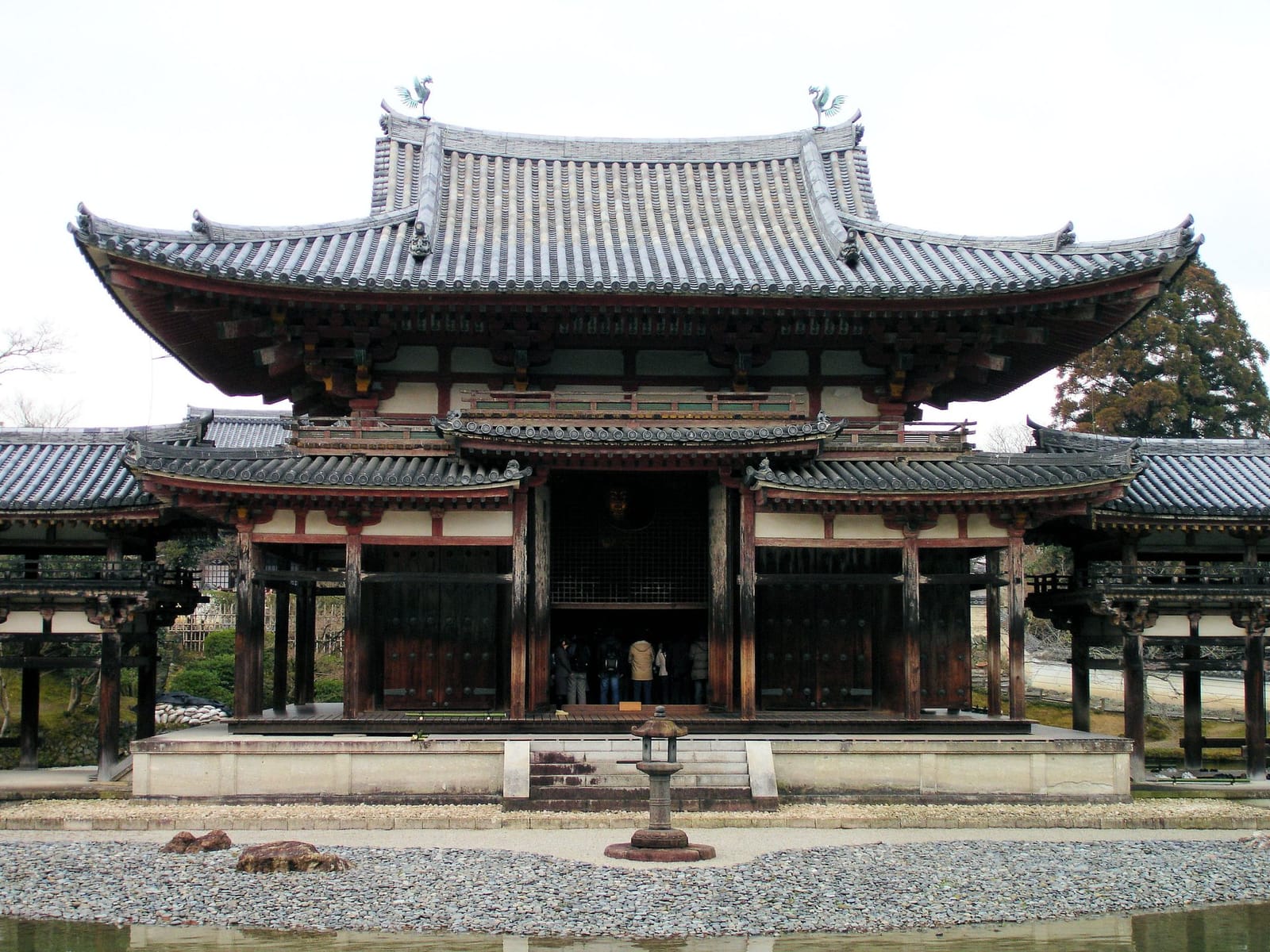
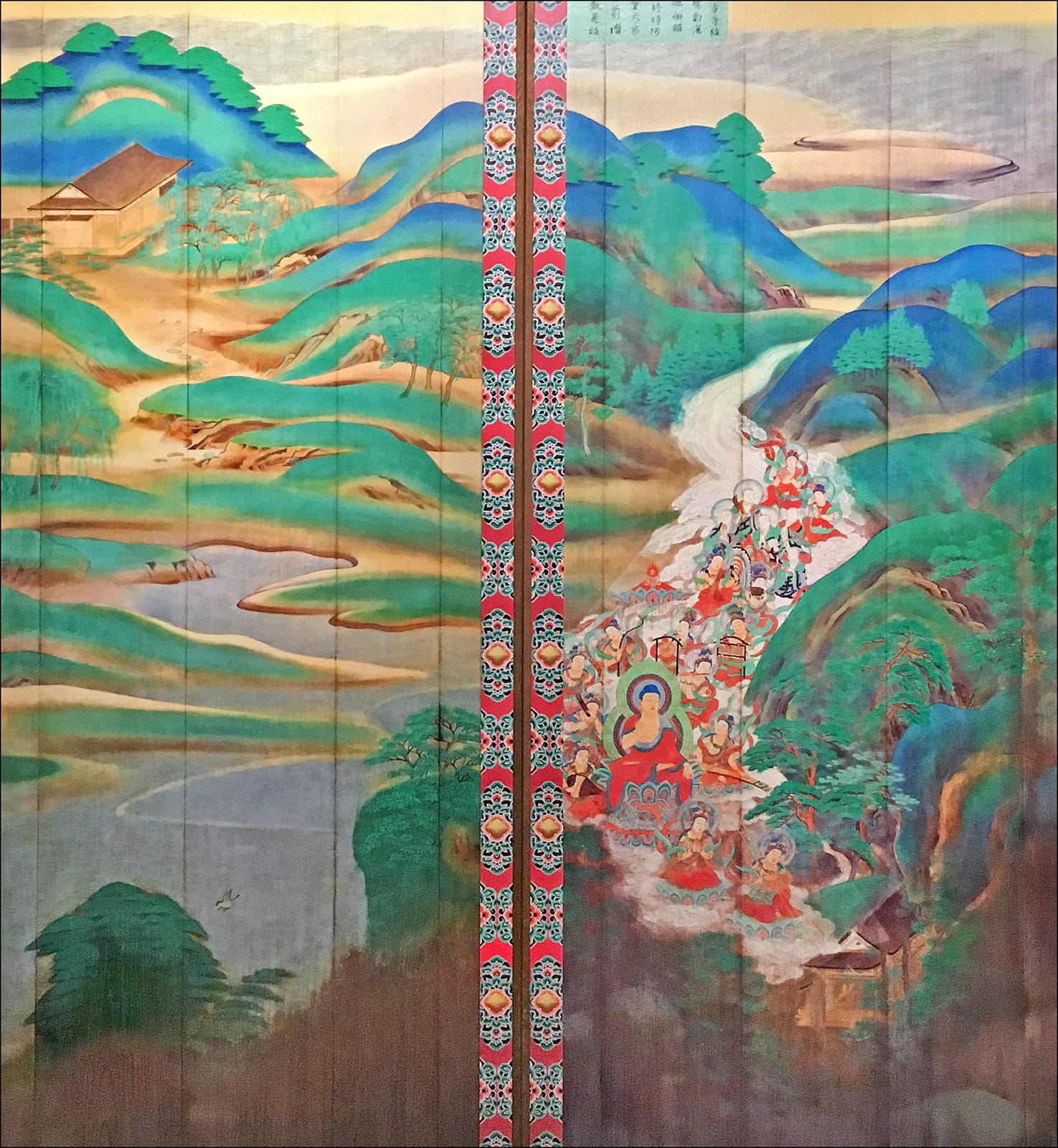
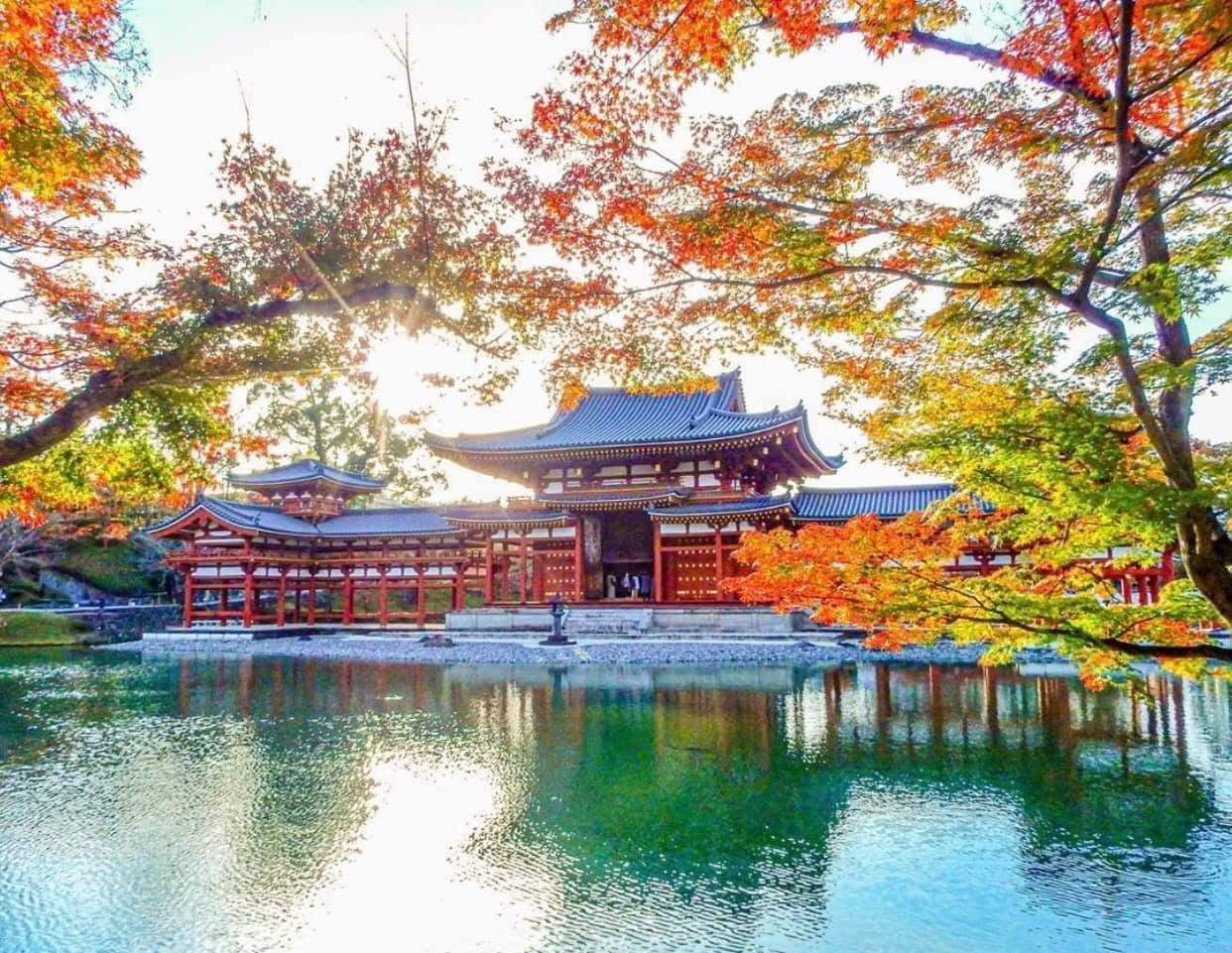
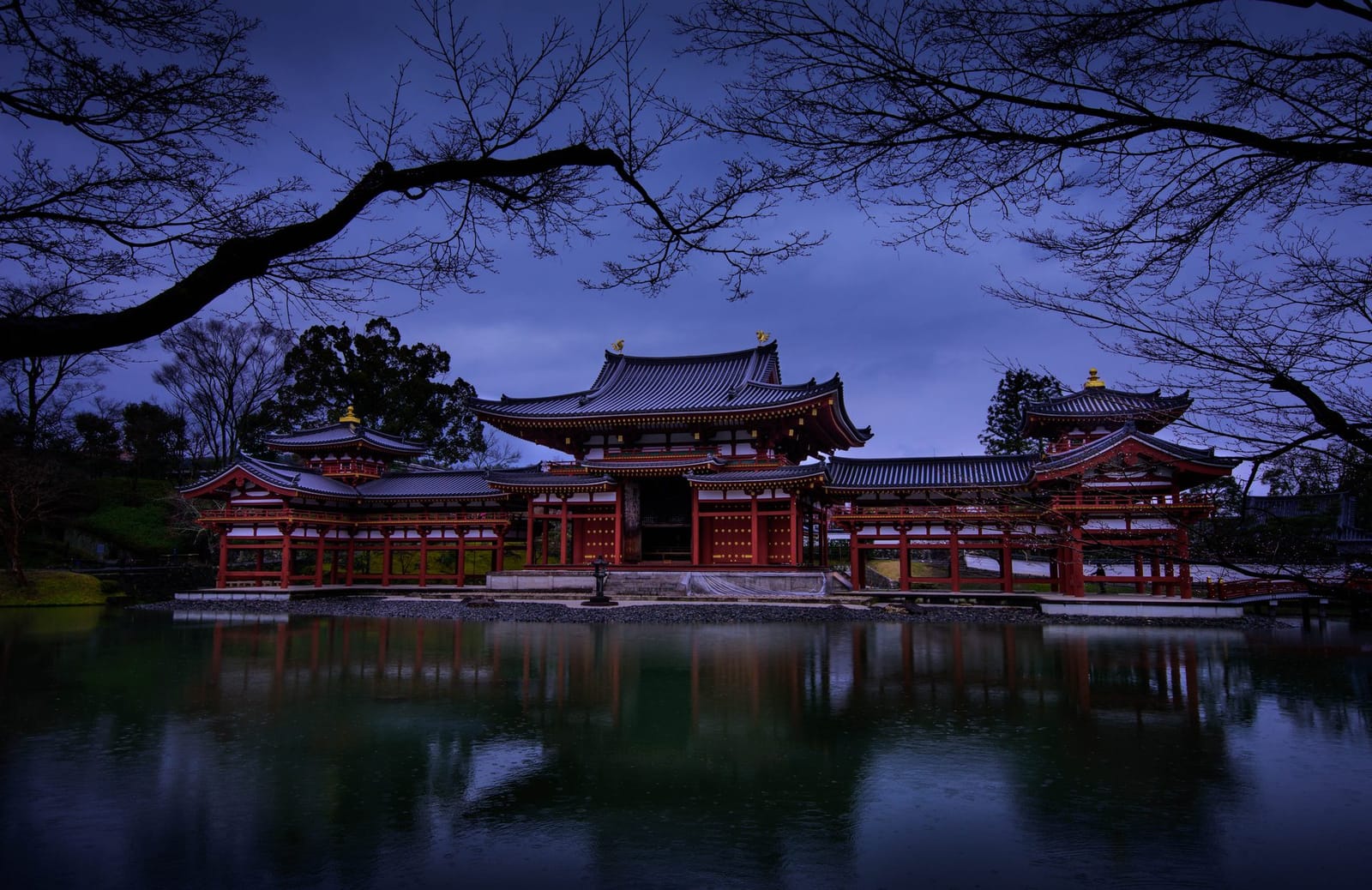
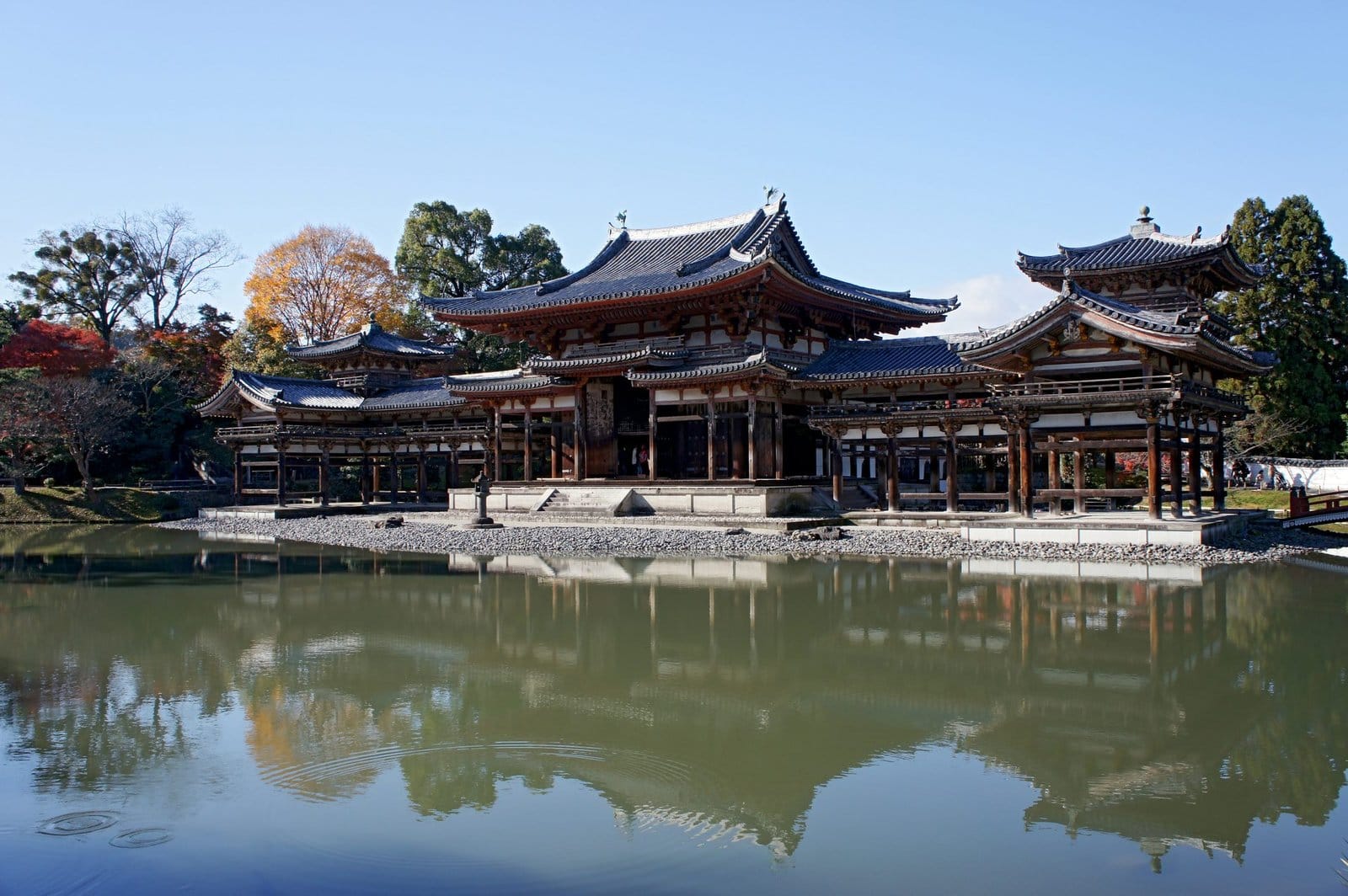
At the heart of this tea town stands Byodoin, a more than 950-year-old temple recognized by UNESCO as a World Heritage Site. The Phoenix Hall (Hoodo), reflected in the tranquil pond, is the image engraved on the 10-yen coin—try taking one out of your wallet for comparison; it’s the kind of "check-in" every visitor enjoys. The Hoshokan Museum on the grounds displays original statues of Bodhisattvas riding clouds, beautifully preserved in a softly lit space that is well worth visiting.

Admission to the grounds costs about 700 yen. Entering the Phoenix Hall requires an additional timed ticket (about 300 yen), so arrive early, as the number of visitors per time slot is limited.

Byodoin’s Phoenix Hall in Uji reflected in the pond, framed by red-orange maple leaves

Century-old tea shops worth visiting

Uji Byodoin temple

These are three names worth lining up for in Uji:

  • Nakamura Tokichi (since 1854): Uji’s most famous tea shop, with a beautifully renovated former warehouse. Its signature dish is chilled green tea jelly (namacha jelly) served with shiratama and red beans. During peak hours, the wait can be 1–2 hours, so take a number early and spend the time strolling around Byodoin.
  • Itohkyuemon: More affordable, with generous layered matcha parfaits and green tea soba for a light lunch.
  • Taihoan: A tea house run by the city right beside the river, where you can experience a shortened tea ceremony at a very reasonable price (about 1,000 yen)—a wonderful choice if you’ve never attended one before.

Also, don’t miss the chance to grind your own matcha with a stone mill at some tea shops. Turning the mill yourself and whisking a bowl of tea from the powder you made is an unforgettable experience.

Matcha treats to try on the spot

In Uji, matcha is about much more than a bowl of tea. Save room for a matcha soft-serve cone with such an intense flavor that its slight bitterness feels very "grown-up"; chilled green tea soba (chasoba) dipped in tsuyu; grilled dango brushed with matcha sauce; and matcha takoyaki or curry at some of the trendier shops for those who enjoy experimenting. If you’re buying souvenirs, a small 30–40 gram box of matcha from a long-established brand (about 1,000–3,000 yen depending on the grade) or green tea cookies is a safe and elegant choice.

How to get to Uji from Kyoto

There are two easy options:

  • JR Nara Line: Take a rapid train from Kyoto Station for about 17–20 minutes to JR Uji Station, costing about 250 yen. This is the most convenient option if you have a JR Pass.
  • Keihan Railway: Convenient if you’re starting from the Gion or Fushimi Inari areas; transfer at Chushojima for the Keihan Uji branch line. Keihan Uji Station is right by the river, and a short walk across the bridge takes you to the Byodoin area.

Itinerary tip: combining Uji with Fushimi Inari in a single day is a classic plan—climb through the thousands of torii gates in the morning while it’s still quiet, head to Uji for chasoba at lunchtime, then visit Byodoin and relax at a tea shop in the afternoon. If you’d prefer someone else to handle the transportation and reservations, take a look at OlaChill’s Japan tours, which offer flexible Kyoto–Uji itineraries.

A few things to know before you go

Uji is at its best early in the morning and late in the afternoon, before the day-trippers arrive or after they’ve left. The tea harvest season (May) and autumn foliage season (late November) are the two most rewarding times to visit. Most tea shops close fairly early, around 17:00–18:00, so don’t leave your tea-shop visit until the end of the day. Above all, take your time: Uji isn’t a place to rush through a checklist of photo spots. It’s a place to understand why some Japanese people can devote an entire lifetime to a single bowl of green tea. Find more inspiration for your Kansai journey on the OlaChill Japan travel blog.


分享:FacebookXLINE

评论

暂无评价,来做第一个吧!

本地区文章京都・奈良・关西

查看全部