
Une excursion privée à la journée en Toyota Alphard avec chauffeur : prise en charge à l'hôtel à Osaka, puis Parc de Nara, Sanctuaire Fushimi Inari Taisha et Arashiyama. Environ 10 h sur cet itinéraire, prix par voiture jusqu'à 6 personnes. Indiquez votre hôtel (ou une gare) et l'heure de prise en charge dans le formulaire de réservation.
Non compris dans le prix de la voiture : guide, entrées, attractions, activités, repas, péages et parking.
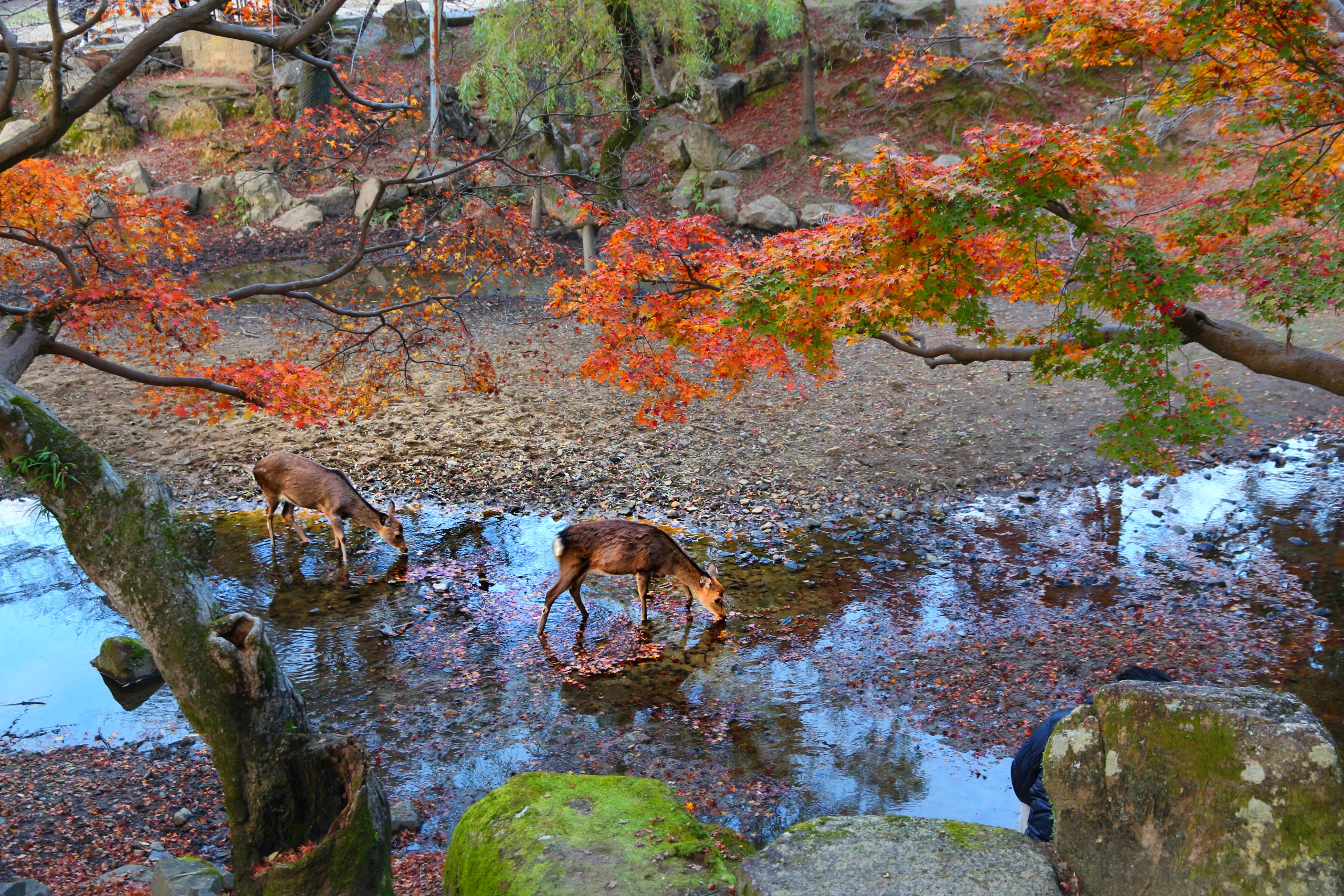
Nara Park is an urban green space situated below Mt. Wakakusa in Nara City, encompassing significant historical landmarks including Tōdai-ji Temple and Kasuga Taisha Shrine. Visiting this location is essential for anyone exploring Nara. The adjacent Mt. Wakakusa delivers stunning views across the city and hosts the traditional Yamayaki festival each January. Walking slowly through the park reveals its full appeal, and visitors encounter the region's most abundant deer population. One of the main attractions involves feeding these animals using deer crackers, known as shika senbei. These creatures are quite bold and will readily approach anyone holding these treats, so be prepared for potentially being surrounded by multiple deer.
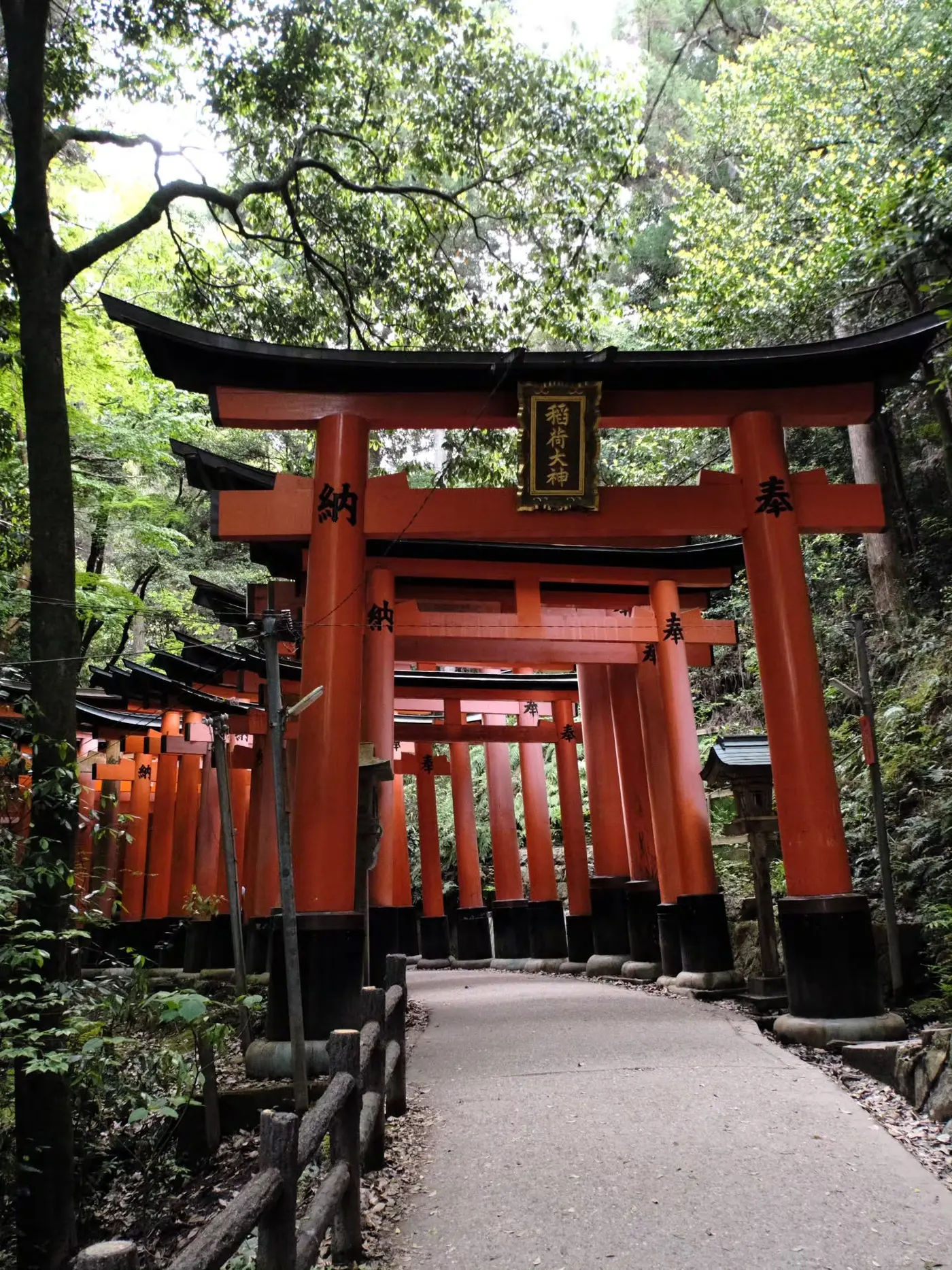
Fushimi Inari Taisha Shrine stands out for its distinctive Thousand Torii Gates and draws visitors worldwide annually. The travel review platform with the largest global audience ranked it as the "Most Popular Japanese Destinations for Foreigners" three years running. People visit to make offerings for themselves and their families.
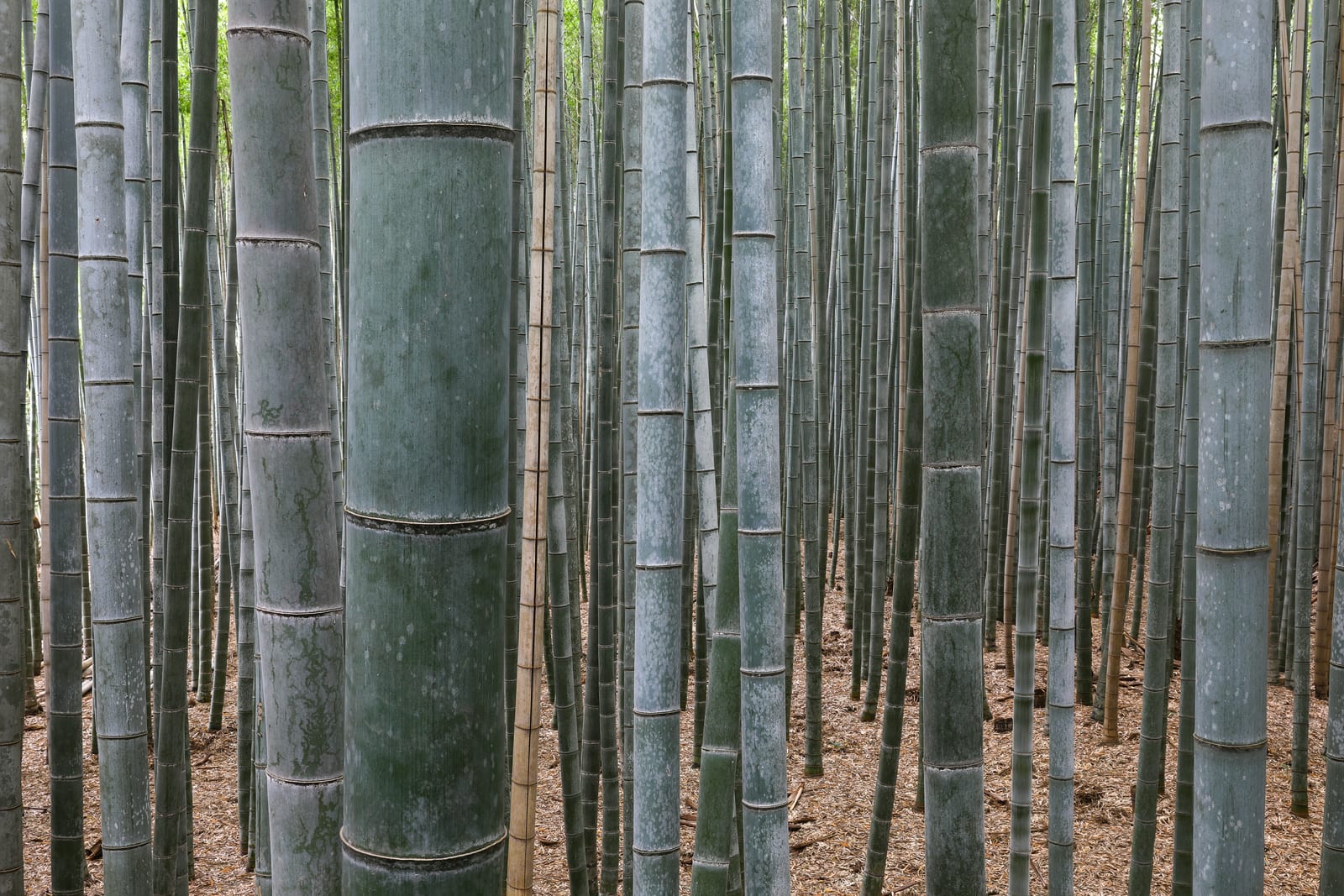
The Arashiyama area divides into two sections: Arashiyama and Sagano. This district combines numerous cultural landmarks with seasonal natural beauty and offers access to a vintage sightseeing train. Multiple ancient temples and shrines occupy the landscape, with Tenryu-ji Temple designated as a World Heritage site. The bamboo forest path connecting Nonomiya Shrine to Okochi Sanso Villa is particularly celebrated. Spring and autumn attract substantial visitor numbers due to cherry blossoms and fall colors, making Sagano Romantic Train tickets hard to secure during these months. Summer and winter see lighter crowds, suiting visitors seeking peaceful exploration.
Those choosing to ride the Sagano Romantic Train should note: Ticket fees are separate. Recommended routes and departure times include Saga to Kameoka on Sagano Train No. 11, departing 14:05 and arriving 14:25, and Kameoka to Saga on Sagano Train No. 12, departing 14:30 and arriving 14:56. Upon reaching Kameoka Station, a five-minute pause occurs before the return journey. Return passengers cannot exit the train between stations. High-season travel requires advance booking at least one month prior through the official website. The train operates annually from March 1st through December 29th, closes for maintenance throughout January and February, and typically remains closed Wednesdays, though Japanese public holidays may alter this. Consult the official calendar before departure and remain flexible with booking and itinerary plans.
Lire plusRéduire▾
🎫 Options
⏸ Les places en groupe sont suspendues pour le moment. Cette excursion se réserve actuellement en Alphard privé (7 places) uniquement.
🚌 Excursion en groupe
- Point de rendez-vous: Sortie 2 de Nihonbashi
- Départ 08:00
- Langue du guide: anglais
- Annulation gratuite jusqu'à 7 jours avant
- Réservez, payez sur place ou en ligne
À partir de¥6,900/personne
🚘 Circuit privé en Alphard
- Toyota Alphard privé + chauffeur
- Jusqu'à 6 personnes
- Prise en charge à l'hôtel à Osaka
- Environ 10 h · réserver 7 jours avant
- Réservez, payez le chauffeur ou en ligne
- Annulation gratuite jusqu'à 24 h avant
−30%Réservez d'ici le 31/12 (JST), puis ¥104,300
Prix promotionnel :¥73,000/voiture · prix fixe
Jusqu'à 6 pers. · dès ¥12,167/pers. à 6
Guide, billets, péages et parking non inclus.
- Capacité
- 1+
- Itinéraire
- 1 jour · 5 arrêts
🚘 Votre Alphard privé et son chauffeur suivent cet itinéraire. Non compris dans le prix de la voiture : guide, entrées, attractions, activités, repas, péages et parking.
- 08:00
Prise en charge à l'hôtel à Osaka
Indiquez votre hôtel (ou une gare) et l'heure de prise en charge dans le formulaire de réservation.
- 09:00
Parc de Nara · 60 min
Le parc de Nara, un parc urbain situé au pied du mont Wakakusa dans la ville de Nara, abrite des sites historiques célèbres de Nara, tels que le temple Todai-ji et le sanctuaire Kasuga Taisha, ce qui en fait un incontournable pour tout visiteur de Nara. Le mont Wakakusa, situé à proximité, offre de magnifiques vues panoramiques sur Nara et accueille des festivals traditionnels tels que le festival de la combustion de Wakakusa chaque janvier.
- 11:00
Sanctuaire Fushimi Inari Taisha · 80 min
- 13:20
Arashiyama · 150 min
- 18:00
Fin de l'excursion
※ Les horaires réels varient selon les conditions de circulation du jour.
🗺️ Carte de l'itinéraire
Touchez un numéro pour voir ce jour
Jour 1 — Parc de Nara
Parc de Nara
- Votre Alphard privé et son chauffeur suivent cet itinéraire. Non compris dans le prix de la voiture : guide, entrées, attractions, activités, repas, péages et parking.
- Prise en charge à l'hôtel à Osaka. Indiquez votre hôtel (ou une gare) et l'heure de prise en charge dans le formulaire de réservation.
- Deux façons de payer : au chauffeur le jour même (espèces ou carte, sans avance), ou en ligne juste après l'envoi de la réservation. Dans les deux cas, nous confirmons la voiture et l'heure par e-mail.
- Annulation gratuite jusqu'à 24 h avant
📍 Prise en charge à l'hôtel
🏨 Prise en charge à l'hôtel à Osaka
Indiquez votre hôtel (ou une gare) et l'heure de prise en charge dans le formulaire de réservation.
- Toyota Alphard privé + chauffeur
- Prise en charge à l'hôtel à Osaka
- Environ 10 h sur l'itinéraire de cette excursion
- Guide
- Entrées, attractions et activités aux étapes
- Repas
- Péages et parking
Combien de temps dure ce circuit ?+
Le circuit dure 1 jour et comprend 3 étapes programmées en détail.
Où a lieu la prise en charge ?+
Prise en charge à l'hôtel à Osaka. Indiquez votre hôtel (ou une gare) et l'heure de prise en charge dans le formulaire de réservation.
Quel est le nombre minimum de participants ?+
Le prix est par voiture : l'Alphard privé part dès 1 personne. Jusqu'à 6 personnes par voiture — au-delà, nous ajoutons une seconde voiture.
Un guide accompagne-t-il la voiture ?+
L'Alphard privé est fourni avec chauffeur ; aucun guide n'est compris dans le prix de la voiture.
Puis-je annuler ou changer de date ?+
Annulation gratuite jusqu'à 24 h avant la prise en charge (remboursement intégral). Moins de 24 h ou non-présentation : facturé en totalité. Envoyez votre annulation ou changement de date par e-mail avec votre numéro de réservation ; un changement de date dépend des disponibilités.
🗾 Tours similaires
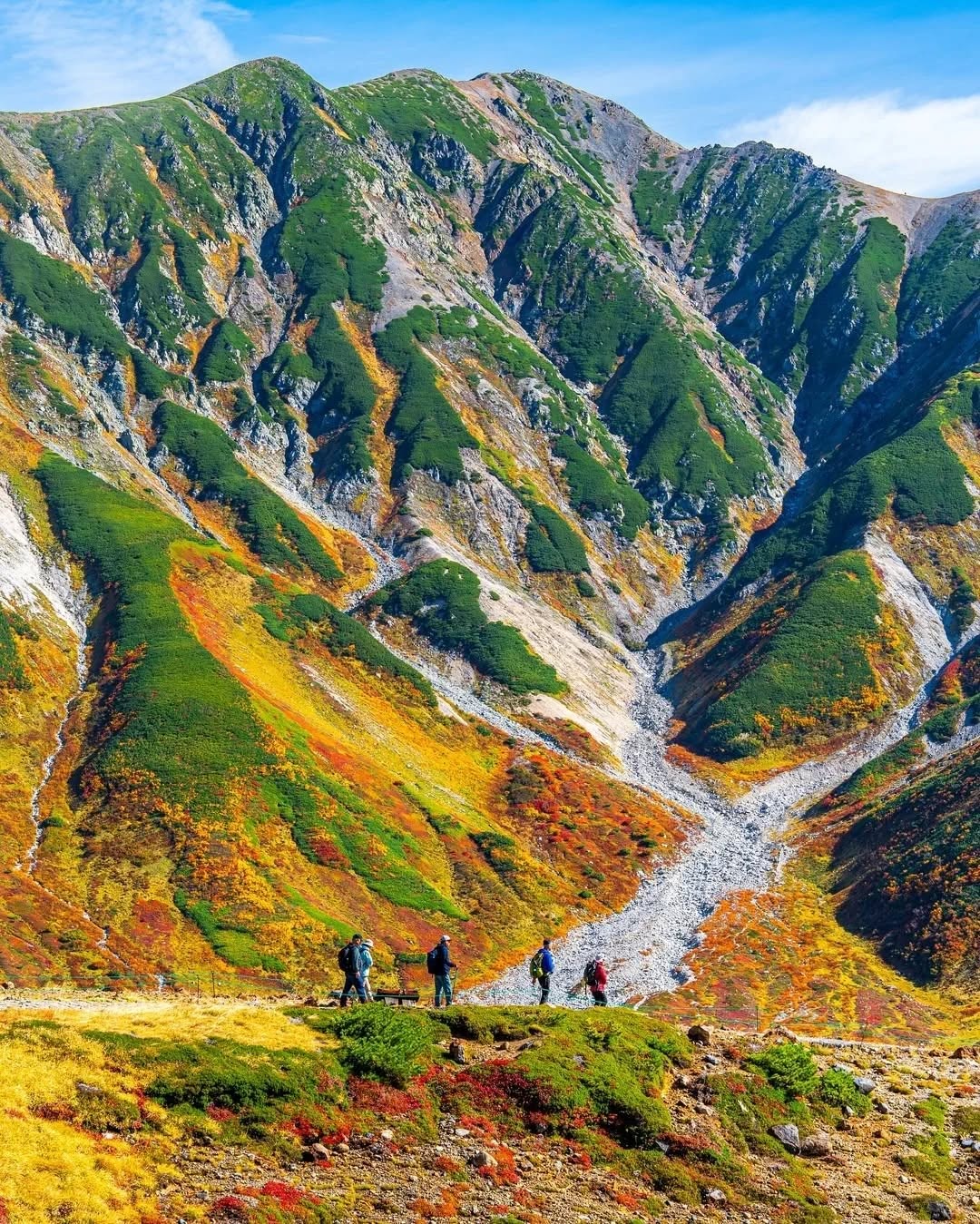
Tateyama en bus de nuit — Route alpine, barrage de Kurobe, Murodo (sans hôtel)
¥19,000
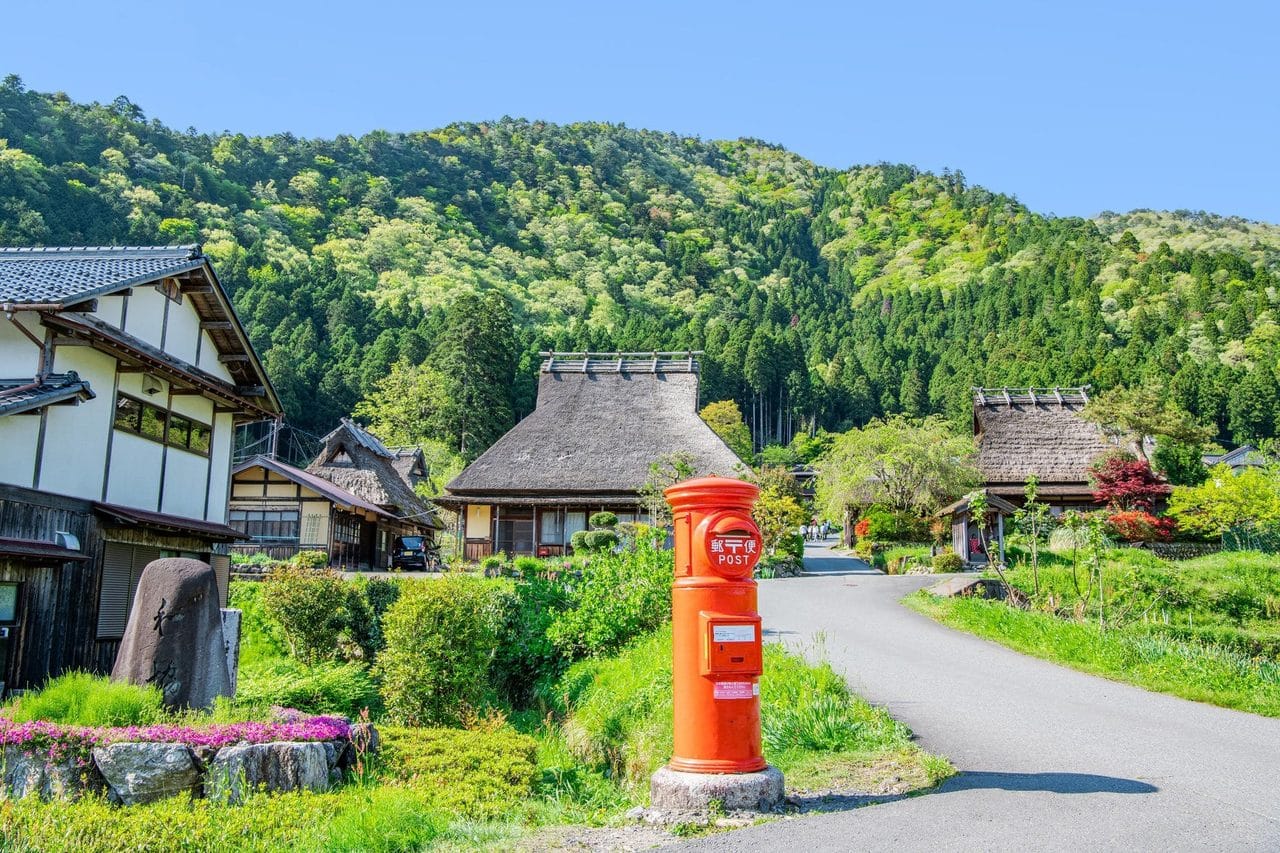
Excursion d'une journée à Amanohashidate, aux maisons flottantes d'Ine et au village de Miyama
¥73,000/voiture
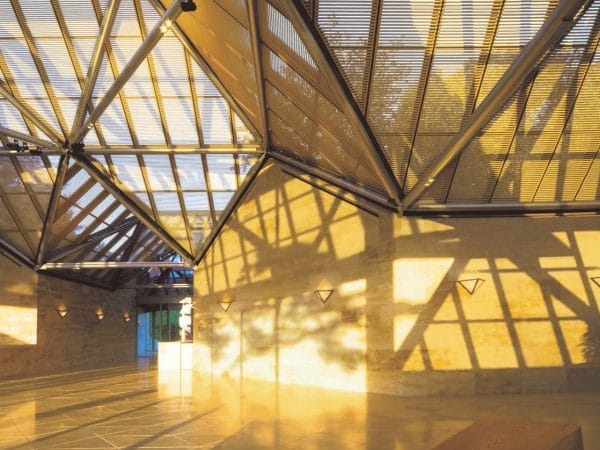
Excursion d'une journée : le Musée Miho et le Temple Mii-dera illuminés lors de la saison des fleurs de cerisier
¥73,000/voiture
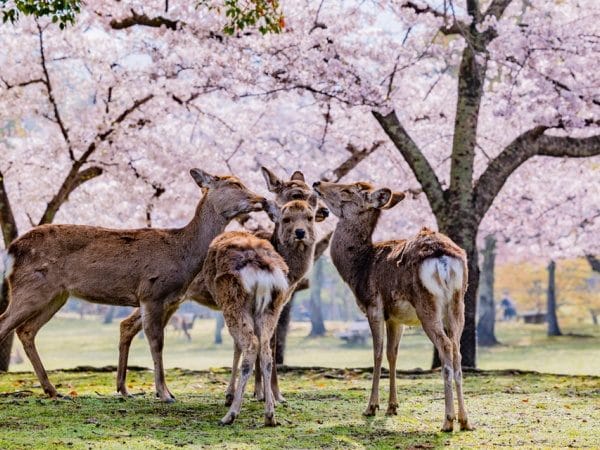
Excursion d'une journée à Kyoto et Nara
¥73,000/voiture
⚠️ À lire absolument1 points · appuyez pour lire▾
- •L'itinéraire et le temps passé à chaque étape peuvent être ajustés selon la circulation, la météo ou l'entretien des sites ; en cas de force majeure, une étape peut être remplacée par une alternative équivalente.