
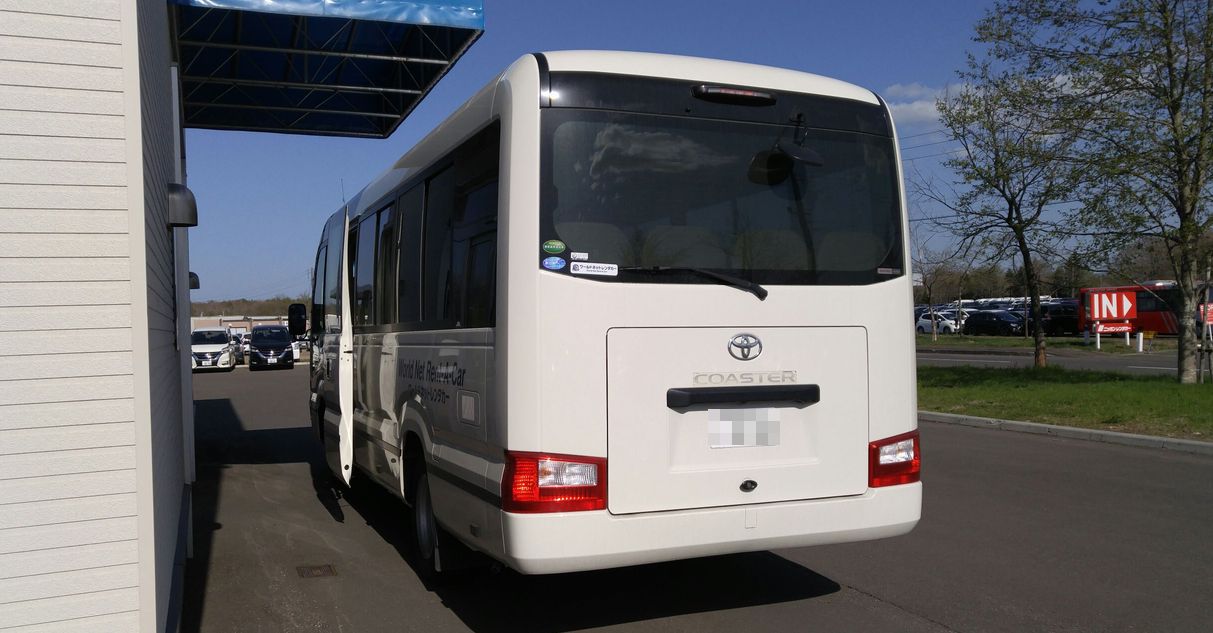
Japans Busse mit 29 und 45 Sitzplätzen: Welche Größe benötigen Sie? Welche Zusatzkosten fallen an?
Ein umfassender Vergleich zwischen japanischen Mittelklassebussen mit 29 Sitzplätzen und großen Bussen mit 45 Sitzplätzen. Erfahren Sie, wie viele Personen bequem mit Gepäck mitfahren können, wie viel Stauraum vorhanden ist, welche Preise 2026 üblich sind und welche Kosten nicht im Grundpreis enthalten sind.
20. Aug. 2026·✍️ olablog·⏱ 6 Min. Lesezeit
Ein umfassender Vergleich zwischen japanischen Mittelklassebussen mit 29 Sitzplätzen und großen Bussen mit 45 Sitzplätzen. Erfahren Sie, wie viele Personen bequem mit Gepäck mitfahren können, wie viel Stauraum vorhanden ist, welche Preise 2026 üblich sind und welche Kosten nicht im Grundpreis enthalten sind.
Die Frage, die Reiseveranstalter und Organisatoren von Gruppenreisen am häufigsten stellen, lautet nicht: „Wie viel kostet das?“ Tatsächlich ist es diese: „Wir sind 22 Personen, und jeder hat einen großen Koffer. Können wir in einem Bus mit 29 Sitzplätzen mitfahren?“
Das ist genau die richtige Frage. Dennoch gibt es kaum Websites, die sie beantworten. Denn allein die Zahl der Sitzplätze sagt nichts über das Fassungsvermögen des Gepäckraums aus. In diesem Leitfaden vergleichen wir die beiden Kategorien, die bei Gruppenreisen wirklich wichtig sind: den mittelgroßen Bus mit 29 Sitzplätzen und den großen Bus mit 45 Sitzplätzen. Außerdem erklären wir ausführlich, welche Kosten nicht im Grundpreis enthalten sind. Lesen Sie die Informationen aufmerksam durch, damit Ihr Budget nicht mitten auf der Reise unerwartet nicht mehr ausreicht.
Zunächst: In Japan dürfen Sie nicht selbst fahren
Nach japanischem Recht dürfen Sie kein Fahrzeug mit mehr als 10 Passagieren mieten und selbst fahren. Erforderlich sind die folgenden zwei Voraussetzungen:
- Ein Fahrer mit einer japanischen gewerblichen Fahrerlaubnis
- Ein Fahrzeug mit grünem Nummernschild (grünes Kennzeichen, Green Plate)
Das grüne Nummernschild ist keine bloße Formalität für die Unterlagen. Es bestätigt, dass das Fahrzeug für die Beförderung von Fahrgästen zugelassen ist, dass die vorgeschriebene Passagierhaftpflichtversicherung gültig ist und dass das Fahrzeug die Prüfungen zur Verkehrssicherheit bestanden hat. Wenn Ihnen ein Anbieter einen Bus ohne grünes Nummernschild anbietet, verfügt dieses Fahrzeug nicht über den erforderlichen Versicherungsschutz für die Beförderung Ihrer Gruppe. Prüfen Sie diesen Punkt unbedingt.
Die Preise für große Busse werden in Japan zusätzlich vom 国土交通省(Ministerium für Land, Infrastruktur, Verkehr und Tourismus, MLIT) reguliert und auf Grundlage der Kombination aus Betriebszeit und zurückgelegter Strecke berechnet. Ein seriöser Anbieter wird Ihnen daher keinen festen Preis nennen, bevor die Reiseroute geprüft wurde.
Vergleich zwischen 29 und 45 Sitzplätzen: Die wirklich wichtige Tabelle
| Mittelgroß(26–29 Sitzplätze) | Groß(44–53 Sitzplätze) | |
|---|---|---|
| Bequem mit Gepäck mitfahrende Personen | 18–25 | 30–45 |
| Sitzplatzanzahl | 26–29 | 45 feste + 8–15 klappbare Sitze |
| Große Koffer im Gepäckraum | 18–22 | 40 oder mehr |
| Ausstattung | Verstellbare Sitze, Klimaanlage, Gepäckraum unter dem Fahrzeugboden | Premium-Sitze mit verstellbarer Rückenlehne, PA-System, Kühlschrank, Fernseher, großer Gepäckraum |
| Empfohlene Nutzung | Mittelgroße Gruppen, Firmenreisen, Großfamilien, Rundreisen zwischen Städten | Große Gruppen, Firmenveranstaltungen, Konferenzen, Sportvereine |
Achten Sie auf die erste Zeile, nicht auf die zweite. Ein Bus mit 29 Sitzplätzen kann zwar 29 Personen befördern, doch wenn alle einen großen Koffer mitbringen, ist der Gepäckraum ungefähr ab der 20. Person voll. Wenn 22 Reisende mit 22 Koffern mitfahren, ist das noch komfortabel, bei 28 Personen wird es dagegen schwierig.
Als praktische Faustregel bei der Angebotserstellung gilt: Wenn mehr als 25 Passagiere ihr gesamtes Gepäck mitführen, sollten Sie auf einen großen Bus wechseln, auch wenn die Gruppe von der Zahl der Sitzplätze her noch in einen mittelgroßen Bus passen würde. Der Preisunterschied ist geringer als das Problem, am ersten Reisetag Koffer zurücklassen zu müssen.
Standard-Tagespreise
Der Standardpreis von OlaChill gilt für einen 10-Stunden-Tag:
| Bustyp | Kapazität | 10-Stunden-Tag |
|---|---|---|
| Mittelgroß(29 Sitzplätze) | 27–29 Personen | ¥69.000 |
| Groß(45 Sitzplätze) | 45 oder mehr Personen | ¥99.000 |
| Extragroß(60 Sitzplätze) | 46–60 Personen | ¥129.000 |
Kürzere Einsätze wie ein einzelner Flughafentransfer werden auf Anfrage angeboten.
Die von OlaChill veröffentlichten Preise betragen ¥69,000 (29 Sitze), ¥99,000 (45 Sitze) und ¥129,000 (60 Sitze) für einen 10-Stunden-Tag; jede weitere Stunde kostet ¥15,000. Sie sind ohne Anfrage auf unserer Spezialseite für Charterbusse einsehbar, zusammen mit Beispielrouten (Tokyo–Fuji, Tokyo–Hakone, Tokyo–Nikko, KIX–Kyoto).
Was im Grundpreis enthalten ist
- Das Fahrzeug der gebuchten Klasse
- Ein professioneller Fahrer mit japanischer gewerblicher Fahrerlaubnis
- Kraftstoff (Benzin oder Diesel)
- Vorgeschriebene Passagierhaftpflichtversicherung
4 Kosten, die separat berechnet werden
Hier gerät das Budget besonders leicht aus dem Gleichgewicht. In Japan werden diese Positionen normalerweise einzeln im endgültigen Angebot aufgeführt. Wenn ein Anbieter sie von Anfang an in einer detaillierten Kostenaufstellung berücksichtigt, ist das ein gutes Zeichen dafür, dass es sich um einen sorgfältig arbeitenden Anbieter handelt.
1. Autobahngebühren (ETC)
Busse mit 45 Sitzplätzen fallen in die Gebührenkategorie für große Fahrzeuge. Bei einer Hin- und Rückfahrt zwischen 東京 und 富士 können allein für die Autobahn etwa 75–125 € (¥12.000 bis ¥20.000) zusätzlich anfallen.
2. Parkgebühren
An Sehenswürdigkeiten und Hotels fallen Parkgebühren für Busse an. Als Richtwert gelten etwa 19–50 € (¥3.000–¥8.000) pro Ort und Tag. In Tokio, Kyoto und Osaka müssen Busparkplätze im Voraus reserviert werden.
3. Übernachtungskosten des Fahrers
Wenn der Fahrer während der Reiseroute außerhalb des Abfahrtsortes übernachten muss, trägt der Auftraggeber die Hotelkosten. Diese betragen etwa 50–75 € (¥8.000–¥12.000) pro Nacht; außerdem müssen Zuschüsse für Abendessen und Frühstück separat berücksichtigt werden. Bei einer 7-tägigen Rundreise sollten Sie diese Nächte von Anfang an einplanen.
4. Trinkgeld (freiwillig)
In Japan gibt es keine Trinkgeldkultur, und niemand erwartet ein Trinkgeld. Bei Touren aus dem Ausland kommt es jedoch vor, dass eine Gruppe dem Fahrer freiwillig etwa 30–60 € (¥5.000–¥10.000) pro Tag gibt. Dies ist vollständig freiwillig, wird weder auf der Rechnung aufgeführt noch vom Anbieter verlangt.
Die Reisezeit beeinflusst die Verfügbarkeit stärker als die Route
- Hochsaison: Kirschblüte (Mitte März bis April), Herbstlaub / momiji (Oktober und November) sowie die Golden Week Anfang Mai.
- Nebensaison: Januar, Februar, Juni (Regenzeit) und Juli, ausgenommen die Tage, an denen Feste stattfinden.
OlaChill veröffentlicht einen Tagespreis pro Busgröße; was die Saison verändert, ist die Verfügbarkeit. Wenn Ihre Reisedaten flexibel sind, erleichtert eine Verschiebung um zwei Wochen außerhalb der Kirschblütenspitze die Buchung des gewünschten Fahrzeugs.
Buchen Sie 2–4 Monate im Voraus
Wenn Sie in der Hochsaison (März–April und Oktober–November) einen Bus mit 29 oder 45 Sitzplätzen benötigen, empfehlen wir, 2–4 Monate im Voraus ein Angebot anzufordern. Das soll keine unnötige Sorge auslösen. In diesen Zeiträumen sind selbst bei Anbietern mit grünem Nummernschild die verfügbaren Fahrzeuge schnell ausgebucht. Das eigentliche Problem ist dann nicht mehr der „Preis“, sondern dass „überhaupt kein Bus organisiert werden kann“.
So fragen Sie ein Angebot an
Damit wir Ihnen einen genauen Preis nennen können, benötigen wir die folgenden 4 Angaben:
- Reisedaten und Anzahl der Tage.
- Anzahl der Passagiere sowie Anzahl der großen Koffer, die mitgeführt werden.
- Stadt des Einstiegs und bei einer mehrtägigen Rundreise außerdem der Übernachtungsort für jede Nacht.
- Geplante Stopps oder ein grober Reiseverlauf.
Wenn Sie uns diese Informationen mitteilen, senden wir Ihnen ein detailliertes Angebot, das den Grundpreis, die geschätzten Autobahngebühren, die Parkgebühren und gegebenenfalls auch die Übernachtungskosten des Fahrers enthält. So erleben Sie beim Erhalt der endgültigen Rechnung keine Überraschungen durch unerwartete Kosten.
👉 Hier kostenlos ein Angebot anfordern — Für Gruppen von 15 bis 45 Personen. Geeignet für Reiseverläufe von einem bis zu 14 Tagen.
Mehr aus dieser Region — Andere
Alle ansehen →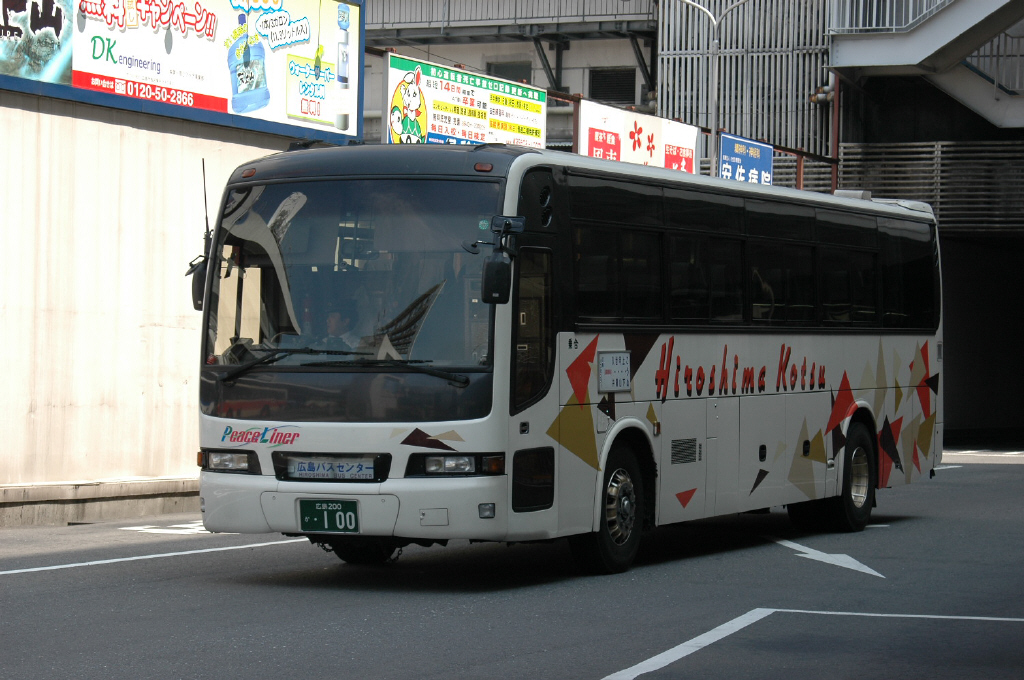
Wie viel kostet ein gecharterter Bus in Japan?【Aktuell 2026】Preise und Kostenstruktur ausführlich erklärt
6 min · tips
Vergleich von Inlandsflügen und Shinkansen
17 min · tips
Japan während der Eid-Feiertage
19 min · itineraries

Glühwürmchen & Nächte auf dem See — Japans Erlebnis für wenige Wochen im Jahr
2 min · tips